In 2025, amid challenges to research funding and scientific infrastructure, particularly in the United States, biomedical advancements continued to emerge, offering substantial hope to patients with previously intractable conditions. These developments, highlighted in a December 2025 review by Science News, demonstrate the enduring impact of sustained scientific investment on human health. This article examines six key breakthroughs, providing detailed explanations of their mechanisms, clinical evidence, and implications for patient care.
1. Gene Therapy Significantly Slows Huntington's Disease Progression
Huntington's disease is a progressive, inherited neurodegenerative disorder caused by a mutation in the huntingtin gene, leading to the production of a toxic protein that damages brain cells. Symptoms include involuntary movements, cognitive decline, and psychiatric issues, with no prior disease-modifying treatments available. In September 2025, uniQure announced positive topline results from a pivotal Phase I/II trial of AMT-130, a one-time gene therapy administered via intracranial injection using an adeno-associated virus vector to deliver microRNA that silences the mutant huntingtin gene.
In the high-dose cohort, disease progression, measured by the composite Unified Huntington's Disease Rating Scale (cUHDRS), slowed by 75% at 36 months compared to a propensity score-matched external control group. Additional benefits included stabilized functional capacity and reduced cerebrospinal fluid neurofilament light chain levels, a biomarker of neuronal damage. The therapy was well-tolerated, with no new serious adverse events reported after initial procedure-related issues. These findings, presented at medical conferences and detailed in press releases, mark the first evidence of disease modification in Huntington's, affecting approximately 75,000 individuals in the U.S. and Europe. Larger confirmatory trials are planned, with potential regulatory submission anticipated in 2026.
2. World's First Personalized CRISPR Therapy Saves an Infant
Severe carbamoyl phosphate synthetase 1 (CPS1) deficiency is a rare urea cycle disorder caused by specific genetic mutations, leading to toxic ammonia accumulation, brain damage, and high infant mortality if untreated. In a landmark achievement, physicians at Children's Hospital of Philadelphia and Penn Medicine developed and administered the first patient-specific CRISPR base-editing therapy to infant KJ, diagnosed shortly after birth.
The therapy, designed in months and infused starting in February 2025, precisely corrected KJ's unique mutation in liver cells. Published in the New England Journal of Medicine, results showed improved ammonia control, increased dietary protein tolerance, and reduced medication needs, with no serious adverse effects. KJ, now thriving at home, exemplifies rapid personalization of gene editing for ultra-rare diseases, potentially scalable to thousands of similar monogenic conditions.
3. Shingles Vaccine Associated with Reduced Dementia Risk
Reactivation of the varicella-zoster virus, causing shingles, may trigger neuroinflammation linked to dementia onset and progression. Multiple 2025 observational studies, including analyses from Wales and large U.S. cohorts, demonstrated that the recombinant shingles vaccine (Shingrix) reduces dementia risk by approximately 20% and slows progression in diagnosed individuals.
One study in Nature utilized a natural experiment from vaccination rollout, finding a 20% lower seven-year dementia incidence. Another in Cell reported slowed progression and reduced dementia-related mortality. Mechanisms likely involve preventing viral reactivation-induced brain inflammation. Recommended for adults over 50, this accessible intervention could mitigate dementia burden for millions.
4. Pioneering Human Bladder Transplant
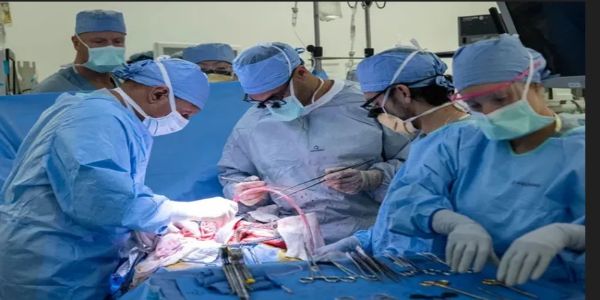
Severe bladder loss from cancer or trauma often requires complex reconstructions with poor outcomes. In May 2025, surgeons from USC and UCLA performed the first human bladder transplant on a 41-year-old patient who had undergone prior cystectomy and nephrectomy.
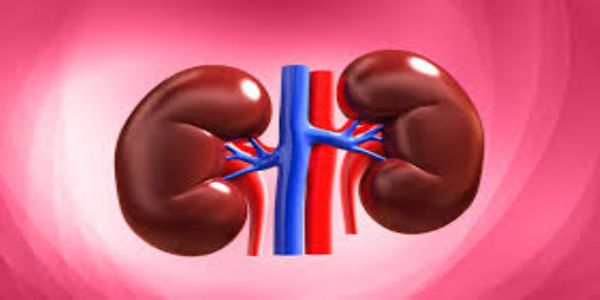
As part of a clinical trial, a donor bladder and kidney were transplanted en bloc, with successful vascular and neural reconnection. The organs functioned immediately, eliminating dialysis and restoring urination. Developed through years of preclinical robotic and non-robotic practices, this procedure offers new prospects for patients with end-stage bladder disease.
5. mRNA COVID Vaccines Enhance Cancer Immunotherapy Outcomes
Immune checkpoint inhibitors (ICIs) unleash T-cell attacks on tumors but are ineffective in cold tumors with low immunogenicity. Retrospective analyses presented at ESMO 2025 revealed that mRNA COVID-19 vaccination within 100 days of ICI initiation dramatically improved survival in advanced lung cancer and melanoma patients. Patients showed doubled three-year survival rates, with pronounced benefits in low PD-L1 tumors. Published in Nature, the mechanism involves innate immune activation priming adaptive responses against cancer. This off-the-shelf approach could broaden immunotherapy efficacy.
6. Widespread RSV Prevention Reduces Infant Hospitalizations
Respiratory syncytial virus (RSV) is the primary cause of infant hospitalization due to lower respiratory tract infections. In the 2024-2025 season, widespread maternal RSVpreF vaccination and infant nirsevimab administration led to substantial declines in severe cases.
CDC surveillance reported up to 80% reductions in hospitalizations among young infants, aligning with clinical trial efficacy. Maternal vaccination transfers antibodies transplacentally, while nirsevimab provides direct protection. These 2025 advancements underscore the transformative potential of biomedical research in neurology, genetics, preventive medicine, transplantation, oncology, and pediatrics. Sustained support remains essential to translate such progress into widespread clinical benefits.
References/Sources/Further Reading:
1) Ahrens-Nicklas, R., et al. (2025). Patient-specific in vivo gene editing to treat a rare genetic disease. New England Journal of Medicine. https://doi.org/10.1056/NEJMoa2504747
2) Geldsetzer, P., et al. (2025). A natural experiment on the effect of herpes zoster vaccination on dementia. Nature, 641(8062), 438. https://doi.org/10.1038/s41586-025-08800-x
3) Grippin, A. J., et al. (2025). SARS-CoV-2 mRNA vaccines sensitize tumours to immune checkpoint blockade. Nature. https://doi.org/10.1038/s41586-025-09655-y
4) McLachlan, I., et al. (2025). Effectiveness of the maternal RSVpreF vaccine against severe disease in infants in Scotland. The Lancet Infectious Diseases.
5) Tighe, A. (2025, December 26). These medical breakthroughs and advances gave patients new hope in 2025. Science News. https://www.sciencenews.org/article/medical-miracle-breakthroughs-hope-2025
6) uniQure N.V. (2025, September 24). uniQure announces positive topline results from pivotal Phase I/II study of AMT-130 in patients with Huntington’s disease [Press release]. https://www.globenewswire.com/news-release/2025/09/24/3155348/0/en/uniQure-Announces-Positive-Topline-Results-from-Pivotal-Phase-I-II-Study-of-AMT-130-in-Patients-with-Huntington-s-Disease.html
7)UCLA Health. (2025, May 17). First human bladder transplant performed at UCLA [Press release]. https://www.uclahealth.org/news/release/first-human-bladder-transplant-performed-ucla
---------------
Hindusthan Samachar / Dr. R. B. Chaudhary