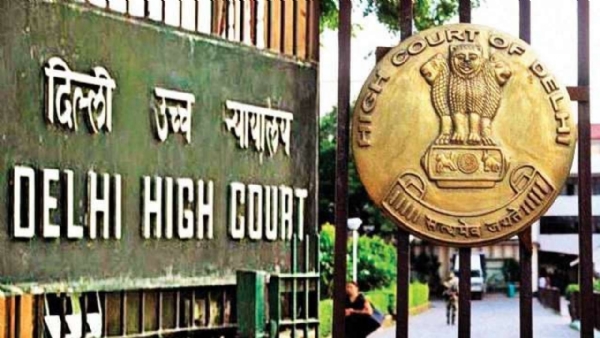
NewDelhi, 20 December (H.S.): The Delhi High Court has stayed a summons issued by the Central Bureau of Investigation (CBI) against a lawyer who had sent an email to the agency on behalf of his client. The court also directed the investigating officer to appear in person, observing that if investigating agencies were allowed to conduct inquiries in such a manner, it would make it extremely difficult for lawyers to discharge their professional duties freely.
The single-judge bench of Justice Swarana Kanta Sharma issued the directive while hearing a petition filed by advocate Sachin Bajpai. The court fixed December 23, 2025, as the next date of hearing.The plea stated that the CBI had issued a notice to the petitioner on December 17 under Sections 94 and 197 of the Bharatiya Nagarik Suraksha Sanhita (BNSS), requiring his personal appearance before the agency.
According to the petition, the CBI had registered an FIR against a company named Lord Mahavir Services India Pvt. Ltd. One of the company’s directors had approached the petitioner for legal advice regarding the investigation.The petition further alleged that one of the company’s staff members had attempted to submit certain documents to the CBI to assist in the investigation but was illegally detained and harassed for several hours.
Following this incident, acting on the director’s instructions, the petitioner sent an email to the CBI on December 15, attaching relevant documents and information. Two days later, the advocate successfully obtained anticipatory bail for his client.However, on December 19, the investigating officer issued another notice to the lawyer, directing him to appear before the agency with certified documents and record his statement.
The petition contends that the notice issued by the CBI is arbitrary, excessive, and an unwarranted intrusion into the administration of justice. It warns that if investigating agencies begin issuing such notices to lawyers routinely, it could set a dangerous precedent, undermining the independence of the legal profession and subjecting advocates to undue targeting while performing their professional responsibilities.
---------------
Hindusthan Samachar / Jun Sarkar
20 Dec 2025