Kochi, 21 September (H.S.): From the mist-covered plantations of Karnataka and Kerala to the hill farms of Tamil Nadu, black pepper continues to support a large agricultural and processing economy in southern India. Known internationally as ‘black gold’, the spice generates substantial export revenue while providing livelihoods to cultivators, labourers, traders, processors and manufacturers.
Karnataka, Kerala and Tamil Nadu form the backbone of India’s pepper sector. Karnataka has emerged as the country’s leading producer, while Kerala retains its historic importance as the home of Malabar pepper and a major centre of processing and export. Tamil Nadu, though producing a smaller quantity, contributes high-quality pepper cultivated mainly in its cooler hill regions.
In Karnataka, pepper is grown extensively in Kodagu, Chikkamagaluru, Hassan, Shivamogga, Uttara Kannada and Dakshina Kannada districts. It is commonly cultivated as an intercrop in coffee, arecanut and coconut plantations. The combination of suitable rainfall, fertile soil and extensive plantation holdings has enabled Karnataka to expand production significantly.
Kodagu and Chikkamagaluru have become particularly important pepper-growing centres. Farmers train the vines on silver oak and other shade trees planted in coffee estates. This system allows them to earn additional income from the same land and provides some protection against fluctuations in coffee prices. Improved varieties and better farm management have also helped raise productivity.
Kerala’s association with pepper stretches back centuries. The demand for Malabar pepper brought Arab, Chinese and European traders to the State’s shores and helped establish Kerala as a major centre of the historic spice trade. Idukki, Wayanad, Kozhikode, Kannur, Kottayam and Pathanamthitta are among its principal pepper-producing districts.
Pepper in Kerala is generally grown in small and medium-sized holdings, often as part of mixed farming systems. Vines climb coconut, arecanut, jackfruit, mango and other trees around homes and plantations. Kochi remains a significant centre for spice trading, processing, quality testing and exports, supported by an established network of exporters and the presence of the Spices Board.
Tamil Nadu’s pepper cultivation is concentrated in the Western Ghats and other elevated regions. The crop is grown in the Nilgiris, Coimbatore, Dindigul, Theni, Kanniyakumari, Salem and Namakkal districts. Farms in areas such as the Lower Palani Hills, Kolli Hills and parts of the Anaimalai region produce pepper alongside coffee, cardamom, banana and fruit crops.
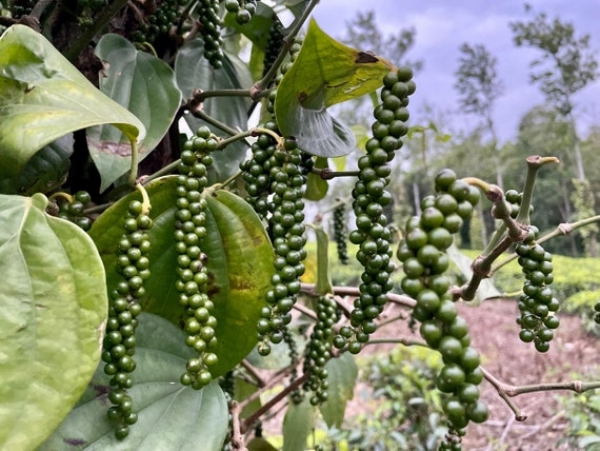
Pepper, scientifically known as Piper nigrum, requires a warm, humid climate, adequate shade, well-drained soil and regular rainfall. Farmers usually plant rooted cuttings near support trees before the monsoon. The vines begin yielding commercially after a few years and can remain productive for a long period if properly maintained.
The spikes are harvested when a few berries begin to turn yellow or red. For black pepper, mature green berries are separated, briefly treated and dried in the sun until they develop their familiar dark, wrinkled appearance. White pepper is made by removing the outer covering of fully ripened berries. The produce is then cleaned, graded and packed.
Pepper is widely used in curries, soups, meat dishes, pickles, sauces, bakery products and spice mixtures. It is an important ingredient in garam masala and several South Indian preparations. Food companies use pepper in packaged snacks, instant foods and ready-to-eat products.
The crop’s commercial value extends beyond cooking. Pepper oil and oleoresin are used in the food, flavouring, pharmaceutical, cosmetic and personal-care industries. Piperine, the compound that gives pepper its pungency, is also used in specialised formulations. These value-added products earn considerably more than unprocessed pepper.
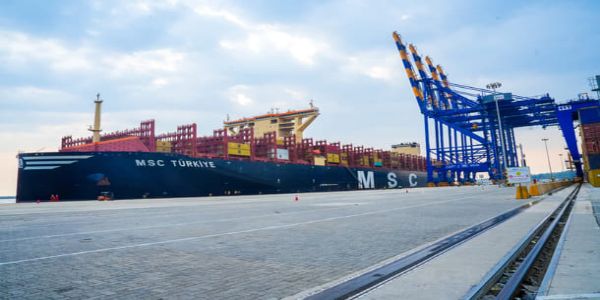
India exported a record 17.99 lakh tonnes of spices and spice products worth about $4.72 billion, or nearly ₹40,000 crore, during 2024-25. Pepper contributed to this foreign-exchange revenue through exports of whole pepper, ground pepper, essential oil and oleoresin. The United States, Europe, West Asia and several Asian countries are important markets.
However, southern growers face challenges from quick-wilt disease, insect attacks, irregular rainfall, rising temperatures, labour shortages and high production costs. Competition from cheaper pepper produced in Vietnam, Brazil and Indonesia also affects domestic prices.
Agricultural experts believe the southern states can protect their position through disease-resistant varieties, residue-free cultivation, improved drying and scientific storage. Organic certification, geographical branding, farmer collectives and modern processing facilities could secure premium prices. By combining Karnataka’s production strength, Kerala’s trading expertise and Tamil Nadu’s expanding hill cultivation, southern India can ensure that black pepper remains both a valuable farm crop and a powerful export commodity.
---------------
Hindusthan Samachar / Arun Lakshman