Wayanad, 08 July (H.S.):The India Meteorological Department (IMD) has confirmed that its Doppler Weather Radar (DWR) at Kochi remained non-operational for several days until Tuesday evening due to unexpected technical maintenance, even as questions continue to be raised over the dissemination of weather warnings ahead of the deadly mudslide at the Kozhikode–Wayanad twin tunnel project site near Kalladi.
The disclosure has intensified debate over the effectiveness of weather monitoring and disaster warning systems in northern Kerala, particularly in landslide-prone districts such as Wayanad, which has witnessed repeated rain-related disasters in recent years.
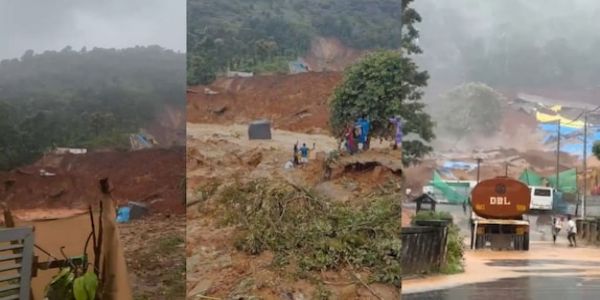
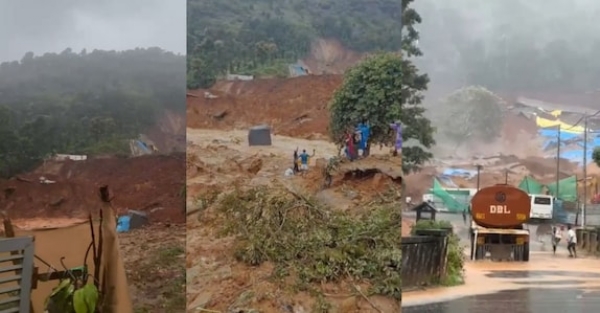
The mudslide struck the tunnel construction site near Meenakshi Bridge at Kalladi on Tuesday, killing three employees of Dileep Buildcon Ltd. Five others remain missing, while search and rescue operations continue.
IMD Kerala Director Dr. Neetha Gopal said the Kochi Doppler Weather Radar had developed technical problems and was taken offline for maintenance over the past few days. Engineers from Bharat Heavy Electricals Limited (BHEL), Bengaluru, which is responsible for maintaining the radar, were immediately deployed to Kochi to carry out repairs.
She said the radar had to be temporarily shut down because operating the system despite the malfunction could have caused permanent damage to the highly sophisticated and expensive equipment.
According to the IMD, the radar resumed operations on Tuesday evening after the repairs were completed. BHEL engineers are continuing to monitor the system to ensure that it functions without interruption.
The Kochi Doppler Weather Radar is a critical component of the IMD's forecasting network, providing real-time data on rainfall, thunderstorms and severe weather systems across large parts of central and northern Kerala, including the Malabar region up to Kasaragod.
The revelation has renewed focus on the need for uninterrupted weather surveillance and timely dissemination of warnings in vulnerable regions, especially during the southwest monsoon when the risk of landslides and flash floods remains high.
---------------
Hindusthan Samachar / Arun Lakshman