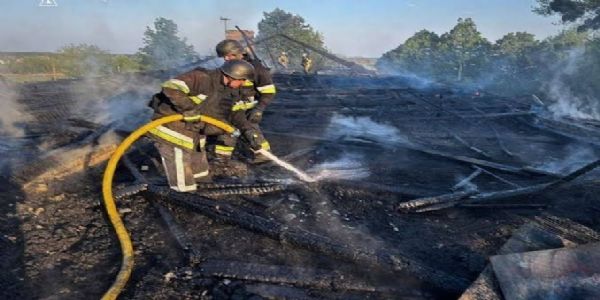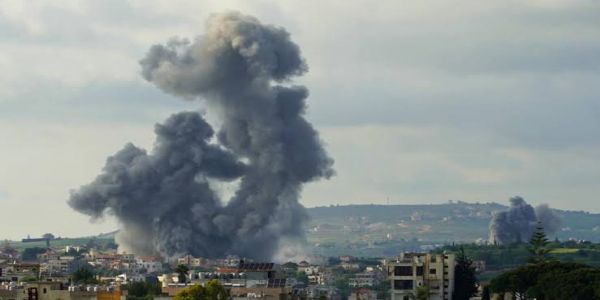
Beirut, 13 May (H.S.): Thirteen people were killed on Tuesday in Israeli strikes across southern Lebanon, the Lebanese Health Ministry reported, in one of the deadliest single days of strikes in the region since the ceasefire period began.
According to the ministry, an airstrike on the city of Nabatieh killed five people, among them two Civil Defence rescuers who were responding to earlier attacks, while separate strikes around Jebchit resulted in four fatalities, including a soldier and a Syrian national. A third strike in Bint Jbeil claimed the lives of four civilians, among them a child and a woman.
Lebanese authorities said the strikes also caused multiple injuries and significant damage to civilian infrastructure, and they raised concerns that some of the targeted areas had previously received evacuation warnings from Israeli forces. The Health Ministry’s casualty figures reflect the toll from strikes that, officials say, occurred despite earlier understandings intended to limit cross-border escalation.
The Lebanese Health Ministry’s statement, which syndicated international outlets carried, singled out the deaths of rescue personnel as particularly troubling, highlighting the risks faced by emergency workers operating under repeated bombardment. International humanitarian organizations have repeatedly warned that attacks on medical and rescue services undermine essential life-saving operations and may constitute violations of international humanitarian law.
Israeli military spokespeople have in previous incidents described operations in southern Lebanon as targeting militant infrastructure and fighters they say pose imminent threats to Israeli communities, though such claims are frequently disputed by Lebanese officials and other observers on the ground. Independent verification of each strike’s precise targets and circumstances has often been difficult amid restricted access and competing narratives.
The renewed violence comes amid continuing tensions between Israel and Iran-backed groups operating in Lebanon, and at a time when regional diplomatic efforts have sought to contain spillover from conflicts elsewhere in the Middle East.
Hindusthan Samachar / Jun Sarkar