Washington, 27 April (H.S.): Iran has transmitted a conditional proposal to the United States via mediation from Pakistan on reopening the strategically critical Strait of Hormuz, an offer that has now reached the White House. The cross‑Straits closure has created a global energy crisis, with tankers loaded with oil and gas unable to pass, and world markets jittery over the possibility of a prolonged supply shock.
The Iranian proposal emphasizes ending the war and fully reopening the Strait of Hormuz, focusing first on resolving the global energy crisis and lifting the U.S. naval blockade in the region. At the same time, Tehran demands that talks on its nuclear program be deferred to a later, second‑phase negotiation, effectively separating the maritime‑access issue from the more contentious nuclear‑enrichment demands.
Energy analysts warn that any prolonged closure of the Strait—through which around a quarter to a third of global seaborne oil and LNG passes—could push crude prices sharply higher and shave several percentage points off worldwide growth. The current impasse is therefore seen as a major risk to global stability.
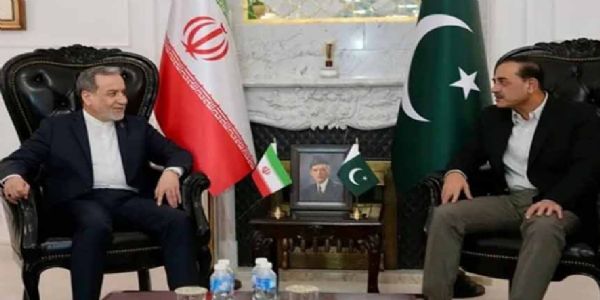
The offer comes at a moment when direct U.S.–Iran negotiations are almost at a standstill. Pakistan’s capital, Islamabad, has twice tried to host talks between the two sides; the first round was held in the capital, and a second round has yet to materialize, despite ongoing mediation. Iran’s Foreign Minister Abbas Araghchi has been in frequent contact with Islamabad and other regional actors, including Egypt, Turkey and Qatar, while Iraqi‑mediated talks in Baghdad fell apart over sharply divergent positions on sanctions relief and uranium enrichment.
Meanwhile, Araghchi has travelled from Pakistan to Russia, where he is expected to meet President Vladimir Putin, underscoring Iran’s effort to secure Moscow’s political backing before Washington weighs the new Straits‑reopening plan.
U.S. reaction and Trump administration’s stance
The White House has not yet signaled whether it will move forward on the Iranian proposal. Press Secretary Olivia Welch said the United States will not discuss such sensitive diplomatic issues publicly through the media and reiterated that Washington will not compromise on its core priorities, including preventing Iran from acquiring nuclear weapons. The U.S. continues to insist that Iran must halt uranium enrichment for at least a decade and remove its stockpile of highly enriched uranium from the country.
President Donald Trump is scheduled to convene a “situation‑room” meeting with his top national‑security and foreign‑policy team on Monday to review Tehran’s proposal, including the demand to separate the Hormuz‑opening track from the nuclear‑enrichment track. One senior official and two other informed sources confirmed that Iran has formally floated the idea of reopening the Strait and ending hostilities, but differences remain wide on timelines, verification, and how deeply Iran must roll back its nuclear activities.
As the diplomatic standoff drags on, the Strait of Hormuz remains a flashpoint, with fuel‑starved markets waiting anxiously to see whether the new Iranian proposal will become the basis for de‑escalation—or another discarded draft in a months‑long war of signals.
---------------
Hindusthan Samachar / Jun Sarkar

27 Apr 2026