Chennai, 02 April (H.S.):
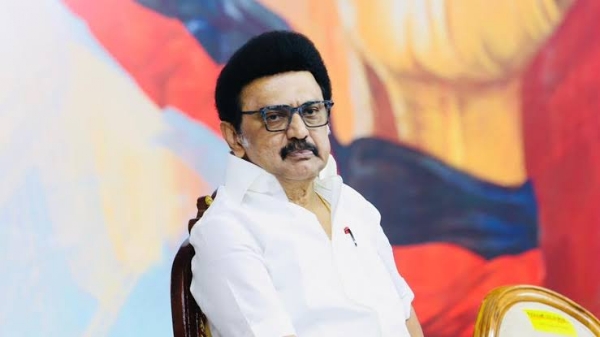
Tamil Nadu Chief Minister M. K. Stalin on Thursday urged the Union government to withdraw the proposed amendments to the Foreign Contribution (Regulation) framework, alleging that the changes could adversely impact minority-run institutions and charitable organisations across the country.
In a statement issued on social media, Stalin criticised the BJP-led Centre, contending that the proposed revisions to the Foreign Contribution (Regulation) Act (FCRA) risk undermining the functioning of organisations dependent on foreign funding for social welfare activities.
The Chief Minister said the amendments appear to disproportionately affect Christian institutions, including churches and charitable bodies, many of which are engaged in providing education, healthcare, and humanitarian services to vulnerable communities. He described the move as one that could weaken the operational capacity of such organisations.
Raising broader concerns, Stalin accused the Centre of adopting a pattern of intervention in matters concerning minority institutions. He linked the proposed FCRA changes with recent controversies surrounding Waqf-related issues, suggesting that there is a growing trend of increased scrutiny and control over institutions associated with different religious groups.
He further claimed that the Union government’s current stance reflects a temporary pause rather than a policy shift, attributing it to pressure from opposition parties and the political sensitivity of upcoming elections in states where minority communities hold electoral significance.
Stalin also cautioned that there are indications the Centre may attempt to reintroduce the amendments through a special parliamentary session, a move he said would sidestep wider consultation and debate.
Terming the proposed changes “unfair and unwarranted,” the Chief Minister called on Prime Minister Narendra Modi to ensure that the amendments are withdrawn completely. He stressed that maintaining institutional autonomy and protecting the rights of minority communities remain essential to upholding democratic principles.
With political parties expected to take clear positions on the issue, the controversy is likely to emerge as a key point of debate in the run-up to upcoming elections, particularly in states where minority outreach plays a decisive role.
---------------
Hindusthan Samachar / Arun Lakshman