Kochi, 06 March (HS):
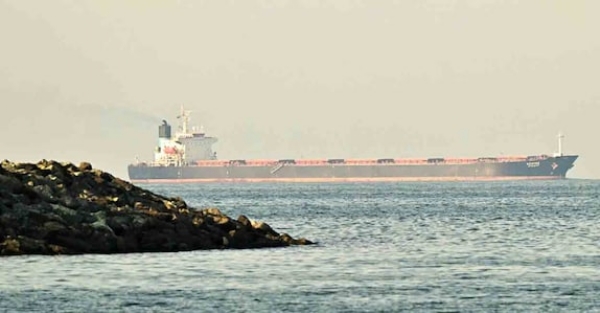
Kerala exporters are facing a fresh setback after major global shipping companies imposed steep “war surcharges” on cargo shipments following the escalation of conflict in the Middle East and the closure of the strategic Strait of Hormuz. The move has triggered strong protests from exporters who say they are already reeling under disruptions to trade routes caused by the ongoing conflict.
Foreign shipping lines have introduced an Emergency Freight Increase (EFI) ranging from $2,000 to $5,000 per container, even for shipments that had departed before the outbreak of hostilities. The surcharge applies to cargo that left ports from February 27 onwards, significantly increasing the cost burden on exporters.
In a customer advisory issued on March 3, global shipping giant Maersk said the surcharge had become necessary due to heightened security risks in the Middle East region. The company said vessels were unable to safely pass through the Strait of Hormuz, a critical maritime passage between Oman and Iran that handles a large portion of cargo traffic between India and the Gulf.
“Due to the escalation of security risks in the Middle East region and the effective closure of the Strait of Hormuz, vessels are currently unable to safely transit the area,” the advisory stated. The company added that alternative routing and operational adjustments had raised costs, making the emergency freight increase unavoidable.
Dubai-based logistics major DP World, which handles about 10 per cent of global container traffic, also announced an “Emergency Surcharge”. However, its surcharge will apply only to cargo booked from March 3 onwards, unlike Maersk’s decision that covers earlier shipments as well.
These additional charges apply to shipments moving to and from several Middle Eastern countries, including Iraq, Bahrain, Kuwait, Yemen, Qatar, Oman, the United Arab Emirates, Saudi Arabia, Jordan, Egypt, Djibouti and Sudan.
Exporters in Kerala say the move has placed them in a difficult position. According to Munshid Ali, Secretary of the Kerala Exporters Forum, exporters have little choice but to bear the costs. “Some exporters say they will refuse to pay the surcharge, but then shipping companies may not release their cargo. In the end, the loss will be ours,” he said.
Ali added that in times of crisis, the Shipping Corporation of India should step in to support exporters and stabilize freight operations.
The disruption has already affected shipments of perishable goods such as fruits and vegetables, with consignments reportedly stuck at ports like Jebel Ali in Dubai. Meanwhile, produce packed for export is lying unsold at ports and airports in Kerala, risking spoilage.
Industry representatives warn that the Gulf remains the most important export market for Kerala’s fresh produce. With countries like Bahrain, Kuwait, Oman, Qatar, Saudi Arabia and the UAE heavily dependent on food imports due to their arid climate, exporters from Kerala—especially through Kochi, Kozhikode and Thiruvananthapuram—have long relied on these markets, largely driven by demand from the large Malayali expatriate population.
Exporters now fear that the sudden surge in freight costs could severely impact trade with the Gulf at a time when global markets are already volatile.
---------------
Hindusthan Samachar / Arun Lakshman

06 Mar 2026
CPM moves to pacify to G. Sudhakaran ahead of bridge inauguration in Alappuzha
CPM moves to pacify to G. Sudhakaran ahead of bridge inauguration in Alappuzha..

06 Mar 2026
War surcharge by global shipping lines jolts Kerala exporters
War surcharge by global shipping lines jolts Kerala exporters..