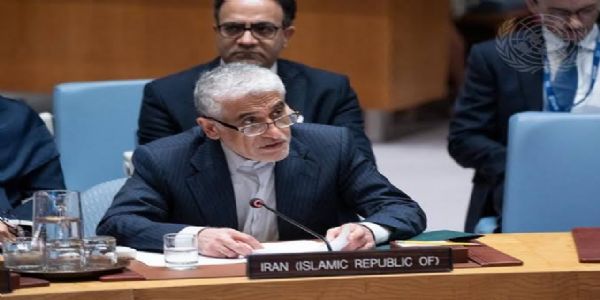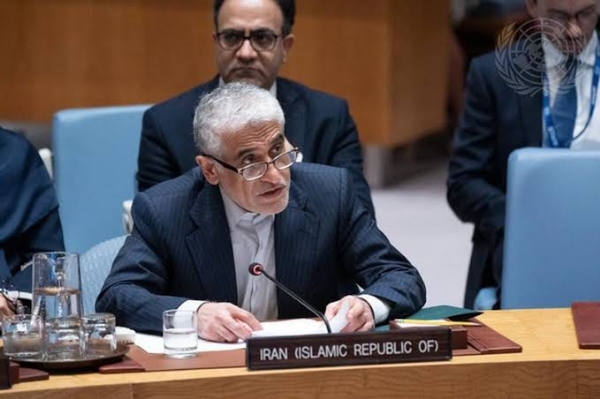
Geneva, 04 March (H.S.): In a scathing rebuke, Iran's ambassador to the United Nations in Geneva, Ali Bahreini, condemned the United States for launching attacks on Iran during ongoing nuclear negotiations, branding the move a totally stupid decision that undermined regional diplomacy.
Bahreini, speaking to UN correspondents on Tuesday, emphasized that Tehran harbors no animosity toward its Gulf neighbors but cannot tolerate American bases on their soil serving as launchpads for aggression against Iran. War was imposed on Iran, he asserted, vowing that Tehran would defend itself relentlessly until the assaults cease, while insisting its retaliatory operations target only U.S. military assets to spare civilians.
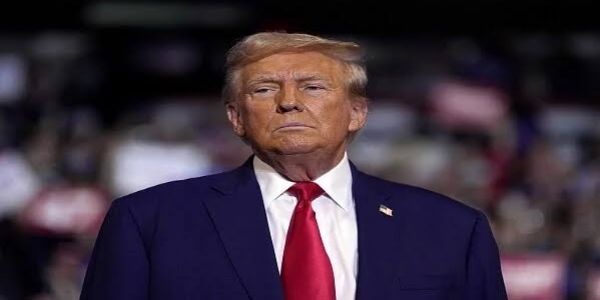
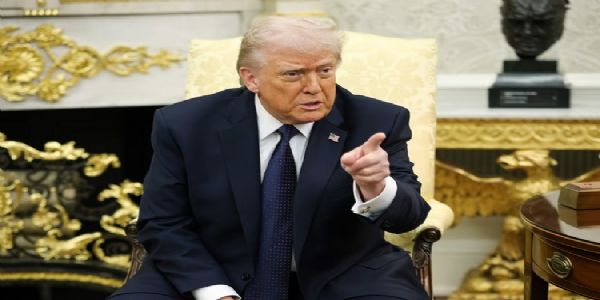
The envoy highlighted indirect talks in Geneva on February 26—mediated by Oman and described as showing significant progress—where optimism prevailed and a follow-up in Vienna was planned, only for Israeli Prime Minister Benjamin Netanyahu to persuade President Donald Trump to abandon diplomacy in favor of strikes beginning Saturday.
Diplomatic Fallout and Regional Reassurances
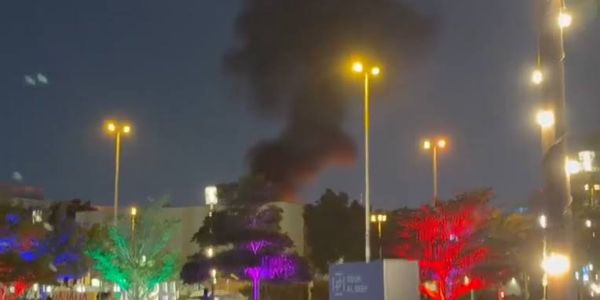
The ambassador accused Washington of betraying allies like Oman, who had championed dialogue, leaving Gulf states disillusioned. Iran has since struck U.S.-hosted facilities in the region, framing these as self-defense rather than reprisals, and maintains daily communications with neighbors to affirm the conflict remains non-regional.
Bahreini dismissed Trump's claim that Iranian leaders seek talks, confirming no outreach from Tehran since hostilities erupted.This escalation follows three rounds of U.S.-Iran discussions that faltered over irreconcilable demands: Washington sought the dismantlement of key enrichment sites like Natanz, Fordow, and Isfaran, a permanent halt to uranium processing, curbs on ballistic missiles, and an end to proxy support, rejecting any sunset clauses in a potential deal.
Tehran, enriched uranium to near-weapons-grade levels and dismantled IAEA monitoring, refused to cede its right to domestic enrichment or export stockpiles, viewing U.S. terms as non-negotiable red lines.
Broader Implications of Collapsed Talks
Experts warn that failed diplomacy risks broader Middle East chaos, spiking oil prices via disruptions like the Strait of Hormuz closure and bolstering Iran's resolve to rebuild its program despite U.S.-Israeli strikes degrading infrastructure and eliminating leaders, including reports of Ayatollah Ali Khamenei's death.
Pentagon assessments signal dwindling missile reserves if the war persists, while India quietly advances indigenous drone tech amid global ripple effects, including projected trillion-rupee costs for prolonged U.S. involvement.
As Trump hints at a third wave of operations, analysts note the limits of force—Iran's dispersed facilities and proxy networks endure—underscoring how military action, while setting back capabilities, fails to eliminate the nuclear threat absent a viable diplomatic off-ramp.
---------------
Hindusthan Samachar / Jun Sarkar