New Delhi, 30 March (H.S.):
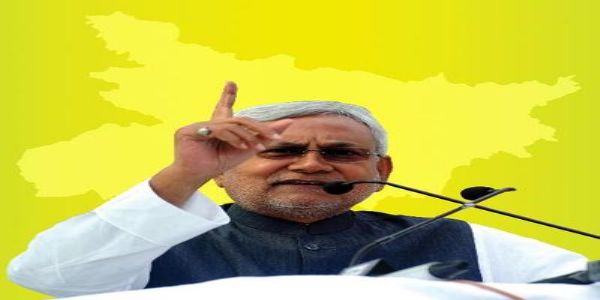
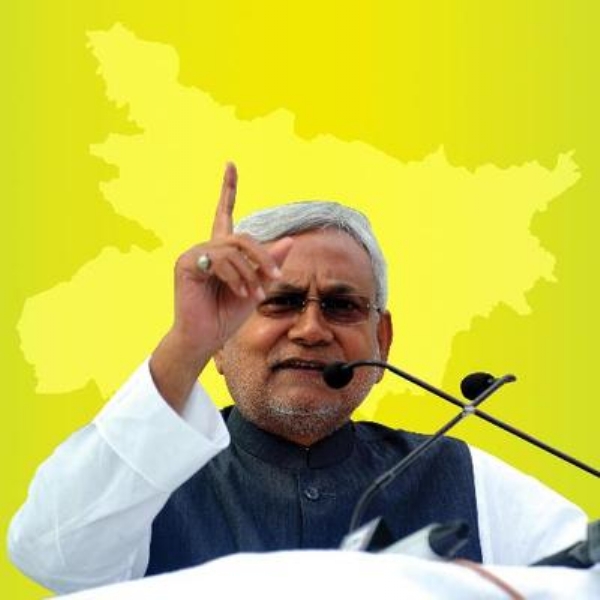
Bihar Chief Minister Nitish Kumar has formally resigned from his membership of the Bihar Legislative Council, stepping down from the Upper House of the state legislature after being elected to the Rajya Sabha earlier this month.
The resignation on Monday, March 30, clears the way for him to take up his seat in Parliament without violating the constitutional bar on holding dual membership in both a state legislature and Parliament.
Council chair confirms resignation
Avadhesh Narayan Singh, the Chairperson of the Bihar Legislative Council, told reporters in Patna that the Chief Minister has submitted his resignation from the Council and the decision has been accepted in line with constitutional procedure.
Singh described Kumar as a “development‑oriented chief minister” under whose leadership Bihar has witnessed significant progress, and said administrative action is now being taken to give effect to the resignation under the existing rules.
Nitish Kumar, who has been a member of the Legislative Council for nearly two decades, is now expected to move to New Delhi after resigning as the head of the state government, a transition that will mark a major shift in Bihar’s political landscape.
Political observers say his move to the Rajya Sabha signals the closing of an era in the state’s politics, with the Bharatiya Janata Party poised to staking claim for the chief ministership through one of its own leaders.
Constitutional requirement triggers move
Under the Prohibition of Simultaneous Membership Rules, 1950, framed under Article 101 of the Indian Constitution, a person elected to both Parliament and a state legislature must resign from one of the Houses within 14 days of being elected to the other.
Since Kumar and senior BJP leader Nitin Nabin were elected to the Rajya Sabha unopposed on March 16, the 14‑day window to quit their respective state‑legislature seats ran out on March 30, forcing the Chief Minister to formally relinquish his Council seat on that date.
His resignation from the Legislative Council comes after earlier reports that he had already tendered his resignation as a member of the Bihar Assembly, completing the process of shedding his state‑level legislative roles as he prepares to assume his new responsibilities at the national level.
What this means for Bihar politics
By stepping down from the Legislative Council, Nitish Kumar is effectively ending his long‑running stint as Bihar’s on‑the‑ground legislative presence, having served as both assembly and council member while cycling in and out of the chief minister’s office over two decades.
Analysts say this paves the way for a generation change in the state’s leadership, as the ruling alliance restructures ministerial control and recalibrates its power equation ahead of the next assembly elections.
As Bihar enters this new phase, the quiet but consequential move of the veteran leader from a state‑centric role to a parliamentary one has already set off fresh speculation about the shape of the next government and the direction of the state’s developmental agenda.
---------------
Hindusthan Samachar / Jun Sarkar

30 Mar 2026