Washington, 24 March (H.S.):
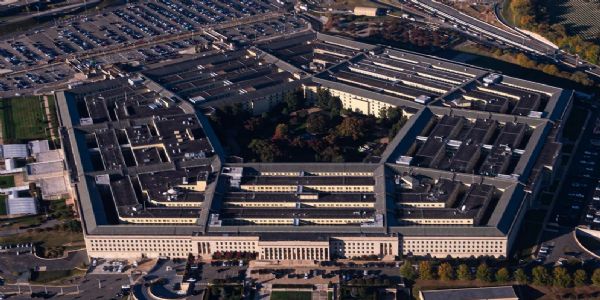
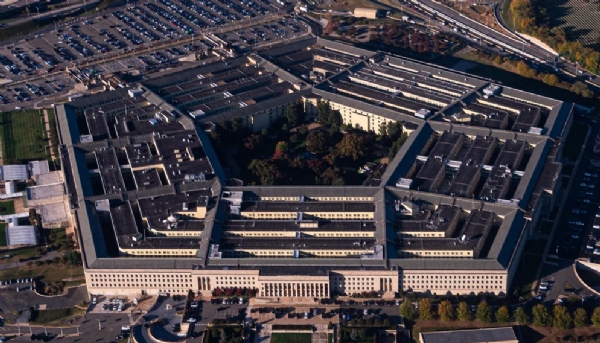
The US Defense Department has decided to shut down media offices inside Pentagon headquarters effective immediately known until now as Pentagon Press Operations or PPO.
Alongside removing these workspaces the department announced a new credentialing policy for journalists entering the building. This move comes days after a federal judge ruled in favor of The New York Times in a lawsuit challenging access restrictions for reporters.
CBS News reported that department spokesperson Sean Parnell confirmed the closure of the Correspondents Corridor a space reporters have used for decades to cover US military affairs. Parnell said journalists will eventually work from an annex building outside the Pentagon once it's ready though he offered no timeline for completion.
Reporters can still attend press conferences and interviews inside but may now require escorts from security personnel.
The New York Times called the decision a violation of the judge's order and unconstitutional. Spokesman Charlie Staudlander said the paper would return to court. The Pentagon Press Association labeled it a blatant disregard for last week's ruling spirit.
In a statement citing the ongoing Iran war and recent Venezuela operations the Times questioned why the Pentagon would curb press freedom needed to inform all Americans during such critical times.
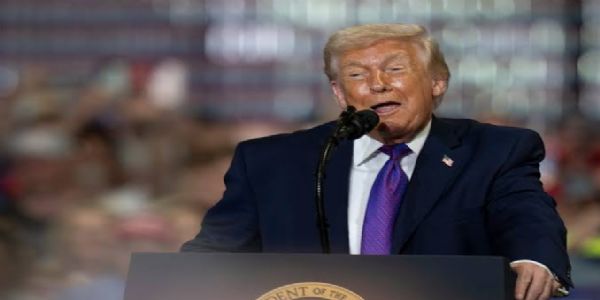
This policy represents the latest flashpoint in the Trump administration's battles over press access favoring conservative outlets while curbing traditional media. Last year reporters from CBS ABC NBC CNN and Fox were turned away after the military mandated signing new restrictions deeming those seeking sensitive information as security threats.
---------------
Hindusthan Samachar / Jun Sarkar