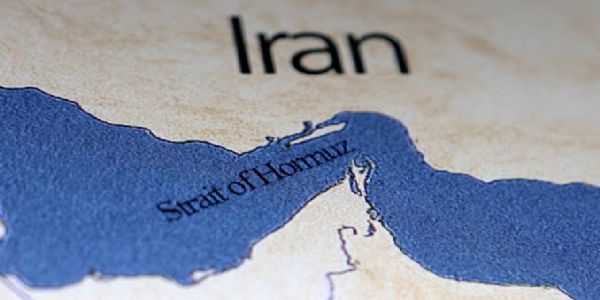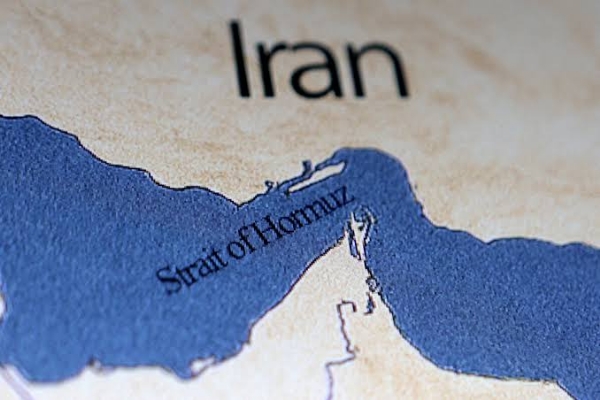
Tehran, 18 March (H.S.): Iranian Parliament Speaker Mohammad Bagher Ghalibaf has issued a stark warning that the strategic Strait of Hormuz will not return to its pre-war configuration, signaling a profound shift in regional dynamics as hostilities intensify.
Ghalibaf's declaration, disseminated via a post on X on Tuesday(March 17), underscores Tehran's resolve amid a cascade of military confrontations involving Iran, Israel, and the United States. The strait, a vital artery for approximately 20% of global oil shipments, has become a flashpoint, with disruptions threatening worldwide energy markets.
This pronouncement follows Iran's confirmation of the assassination of senior security chief Ali Larijani in an Israeli airstrike, a loss compounded by the earlier death of Supreme Leader Ayatollah Ali Khamenei, marking successive blows to the regime's leadership.
Iran's Supreme National Security Council verified Larijani's death alongside his son and bodyguards, portraying him as a martyr who devoted his life to the Islamic Revolution. Israeli officials, including Defense Minister Israel Katz, claimed responsibility, framing the strike as a precise elimination of a key architect of anti-Israel operations.
Iranian state media asserted that such losses would not fracture national defenses, with officials vowing resilience against further incursions.
The strikes have exacted a heavy toll, with Iran reporting over 1,300 fatalities from Israeli and U.S. actions, including civilians, while retaliatory missile barrages have claimed lives in Israel.
Concurrently, U.S. forces deployed 5,000-pound bunker buster munitions against Iranian missile sites near the strait, aiming to neutralize threats to maritime navigation.
Ghalibaf's rhetoric amplifies fears of prolonged instability in the Strait of Hormuz, where Iranian actions have already impeded exports and spiked oil prices. U.S. Director of National Intelligence Tulsi Gabbard defended President Donald Trump's preemptive measures, affirming his authority to counter perceived imminent threats from Tehran.
Trump, expressing optimism, predicted swift U.S. dominance over the coastal and aqueous domains, despite reluctance from NATO allies.
As debris from intercepted Iranian missiles scatters over Dubai and air raid sirens echo across Israel, the conflict's expansion raises alarms for global supply chains. Iran's leadership maintains that its defensive posture remains unyielding, portending a protracted struggle with far-reaching economic ramifications.
---------------
Hindusthan Samachar / Jun Sarkar