-Kailash Chandra
For over a week, the conversation in India has revolved around the question: Is there an LPG shortage? What began as a few scattered complaints on social media soon grew into a wave of public anxiety. Many households reported delays in cylinder delivery, booking numbers shot up unexpectedly, and the national debate quickly turned emotional. Both state and central governments repeatedly clarified that there was no nationwide shortage, yet the concern refused to die down.
The truth behind this episode lies not in the collapse of supply, but in the sudden rise of panic behaviour. In early March, the country recorded a jump in LPG bookings from an average of 5.5 million a day to nearly 7.6 million. In several cities, bookings doubled or even tripled within a matter of days. Such figures point not to scarcity, but to fear-driven consumption- very similar to what India witnessed during pandemic periods when people bought more than they needed.
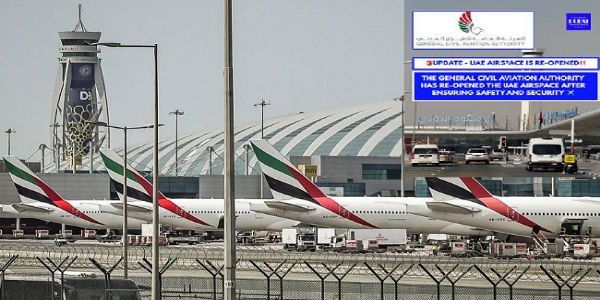
International conditions added further pressure. Rising tensions in the Middle East, particularly around the Strait of Hormuz, affected the movement of LPG shipments worldwide. Since India depends on imports for almost 60–65% of its LPG needs, even a slight disruption in global supply routes creates delays at home. Shipping bottlenecks, longer wait times at ports and unpredictable vessel schedules contributed to the temporary stress on the distribution chain.
Yet, despite these challenges, India’s domestic delivery cycle did not collapse. In most cities, cylinders were delivered within the usual 2–3 days. Disruptions were mostly localised and linked to areas where booking numbers suddenly spiked. When demand becomes artificially inflated, even a robust system begins to feel overloaded. That is exactly what happened.
The government responded with speed. Refineries were directed to divert propane- butane streams to enhance LPG output. This move alone increased domestic production by nearly 25%. Under the Essential Commodities Act, hoarding and black-marketing were brought under strict monitoring. Booking rules were slightly tightened to discourage repeated, unnecessary orders, and households in piped-gas areas were advised to shift temporarily to PNG to reduce load on the cylinder system.
These steps began showing results within days. Domestic consumers received priority as usual, ensuring that households did not face severe inconvenience. The commercial sector- especially eateries and small hotels- faced some pressure, but this too began easing as supply chains stabilised. Reports of black-market cylinders surfaced in a few pockets, and enforcement agencies have already started investigations.
This entire episode also exposed how easily misinformation spreads. Social media played a significant role in amplifying the crisis beyond its real scale. Several exaggerated claims circulated without verification, creating a sense of national panic. In reality, as official data confirms, India had sufficient LPG stock, and the temporary delays were a mix of global logistics and domestic over-booking.
However, the incident carries important lessons for the future. It highlights why energy security must remain a continuous national priority. India has already begun diversifying its LPG imports. The long-term contract with the United States- one of the largest in recent years- signals a strategic shift away from over-dependence on the Middle East. Such diversification strengthens national resilience and reduces exposure to geopolitical shocks.
At the same time, the expansion of PNG networks across urban India and the adoption of electric cooking technologies will gradually reduce the pressure on LPG cylinders. The country’s energy roadmap is visibly becoming multi-layered- combining domestic production increases, diversified imports, improved storage capability, alternative cooking fuels and better consumer behaviour.
Above all, this episode serves as a reminder that crises are not always born out of shortages; sometimes they arise from perception. When rumours spread faster than facts, the public naturally reacts out of anxiety. This is where transparent communication from authorities and responsible consumption by citizens must go hand in hand. A stable supply chain depends not only on infrastructure, but also on trust.
Seen in totality, the LPG debate was less a “national crisis” and more a test of India’s supply-chain maturity- and the system, despite stress, held firm. The quick responses from refineries, oil marketing companies and government agencies ensured that the situation remained under control. With improved strategies and better public awareness, India is well placed to avoid similar phases of panic in the future.
In that sense, this brief turbulence may eventually prove beneficial. It has pushed the conversation toward long-term energy planning, highlighted the need for diversified imports, and reminded the public of the importance of calm, informed decision-making. If these lessons stay with us, the LPG episode of March 2026 will stand not as a story of shortage, but as a moment of clarity- guiding India toward a stronger, more stable and more confident energy future.
(The author is a senior columnist)
---------------
Hindusthan Samachar / Mayank Chaturvedi