Kolkata, 21 February (H.S.) : The standoff between the West Bengal government and state employee unions over the payment of pending dearness allowance has intensified, with multiple organisations announcing a dual strategy of legal recourse and street protests ahead of the upcoming Assembly elections.
Except for the union affiliated with the ruling party, several employee bodies have declared that they will pursue both judicial intervention and public demonstrations to press for compliance with court directives on the long-pending dues.
A joint platform of state government employees has moved the Supreme Court with a contempt petition against the state administration. The platform has alleged that despite recent judicial directions, the government has failed to take concrete steps to ensure payment of 25 per cent of the outstanding dearness allowance for the period between 2008 and 2019 before the end of the current financial year 2025–26.
Simultaneously, the organisations under the joint forum have unveiled a phased agitation programme. The West Bengal Coordination Committee, a Left-backed employees’ body, has announced a protest march on February 26 from the Esplanade area in central Kolkata to a location near the Chief Minister’s residence in Kalighat.
Biswajit Gupta Chowdhury, general secretary of the committee, said the state government appeared to be delaying implementation despite clear judicial instructions, necessitating both legal action and intensified public mobilisation.
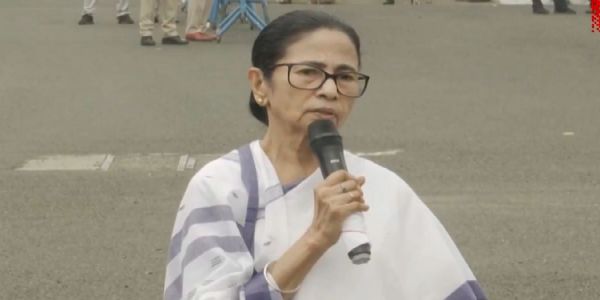
Chief Minister Mamata Banerjee has so far refrained from offering detailed public comments on the issue, stating that the matter is sub judice. However, Leader of the Opposition Suvendu Adhikari criticised the Chief Minister’s position, arguing that once the Supreme Court has issued directions, describing the matter as pending is not justified.
Preliminary estimates suggest that implementing the court’s order could impose an immediate additional financial burden of approximately ₹10,000 crore on the state exchequer, with the long-term liability potentially rising to around ₹42,000 crore.
Hindusthan Samachar / Satya Prakash Singh
21 Feb 2026
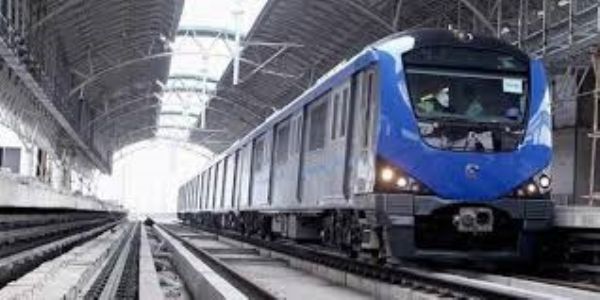
Draft Memorandum Of Understanding For Chennai Metro Takeover Of MRTS To Reach Railway Board Soon
21 Feb 2026