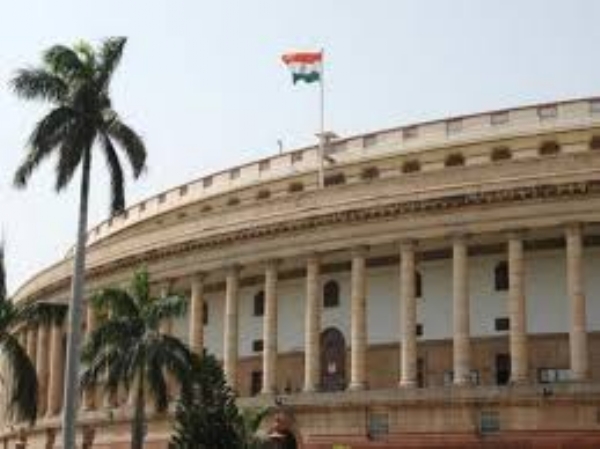
New Delhi, 13 February (H.S.): Parliament's Standing Committee on Transport, Tourism, and Culture has declared in its 386th report that the biggest challenge for India's tourism sector lies not in infrastructure deficiencies, but in the lack of accurate information and effective interpretation.The committee asserts that India has already developed world-class corridors and facilities; the pressing need now is for trained and knowledgeable guides capable of authentically conveying the nation's heritage.
Committee Chairman and Rajya Sabha member Sanjay Kumar Jha presented this report on Friday, advocating for transforming tourism from a mere service industry into a knowledge-based profession.
Key Recommendations
-Tourism policy should extend beyond merely increasing tourist numbers and revenue, focusing instead on whether visitors truly comprehend India and depart with positive experiences.
-At major pilgrimage sites such as Kashi, Ayodhya, Ujjain, and the Char Dham, provisions should ensure not only darshan (worship) but also comprehensive insights into their culture, philosophy, architecture, and history.
-A new professional cadre of trained guides, cultural interpreters, and digital experts must be established, complete with defined career paths and dignified opportunities.
-Universities should be positioned as hubs for tourism education and research in alignment with the New Education Policy 2020, mandating at least 24 weeks of compulsory field training for students.
-Tourism curricula should integrate Indian philosophy, culture, arts, and environmental studies alongside artificial intelligence, foreign languages, and crisis management.
Inclusive and Practical Reforms
Local guides, artisans, and community elders should be integrated into formal systems through training and certification rather than penalization.Homestay licenses should require at least one family member to undergo basic local guide training, ensuring tourists receive reliable information.
A national digital platform is recommended for direct booking of certified guides, thereby eliminating intermediaries.Guides must adhere to a code of conduct with strict disciplinary measures, including license suspension or revocation for unethical behavior.
Hotel management institutes should forge ties with international counterparts, with specialized skill development for emerging sectors like border tourism, rural tourism, spiritual tourism, wildlife tourism, and medical tourism.
Equity and Coordination Focus
The committee urges special training and scholarships for women, Scheduled Castes, Scheduled Tribes, and other marginalized groups.Rather than creating new large bodies, it emphasizes better coordination among existing institutions.
India's paramount strength resides in its millennia-old civilization, and preparing trained human resources to present it compellingly through tourism represents an imperative of our times.
---------------
Hindusthan Samachar / Jun Sarkar