Chennai, 11 February (H.S.) : A growing trend of viral tourism fueled by social media is significantly impacting rural landscapes and ecosystems across India, particularly in southern states.
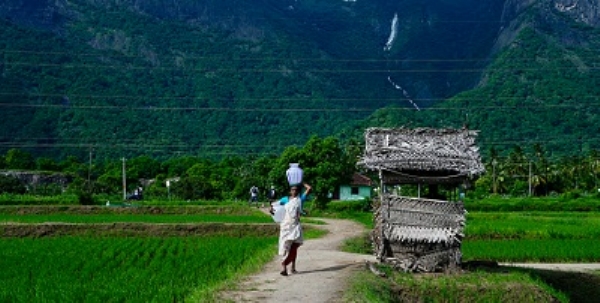
According to a report by The News Minute, previously quiet locations like Vanamma Lake in the Krishnagiri district of Tamil Nadu are struggling to manage the sudden influx of visitors.
This perennial water body, which is essential for local livestock and serves as a vital habitat for migratory birds, is now facing severe environmental degradation due to non biodegradable waste left behind by weekend travelers and campers.
Local residents and environmentalists have observed that the unregulated influence of social media platforms often turns ecologically sensitive areas into hidden gems without the necessary infrastructure to handle the crowds.
Similar crises have been reported in Kerala’s Malarikkal and Kollengode villages, where sudden fame led to massive traffic congestion, damage to agricultural crops, and the accumulation of plastic waste.
In some instances, such as the Kurangani hills in Tamil Nadu, the lack of professional guidance and reckless behavior by hikers have led to fatal forest fires, underscoring the serious safety risks associated with unmonitored tourism.
Despite these challenges, some communities are beginning to implement regulated models to balance tourism with preservation. In Kollengode, authorities have introduced a controlled agro tourism model that includes nominal entry fees and designated pathways to protect local biodiversity and ensure economic benefits for the residents.
Experts suggest that addressing this crisis requires a proactive approach from district administrations, including the enforcement of plastic bans, installation of proper waste disposal systems, and restricted vehicular access near sensitive water bodies to prevent irreversible ecological damage.
---------------
Hindusthan Samachar / Dr. R. B. Chaudhary
13 Mar 2026
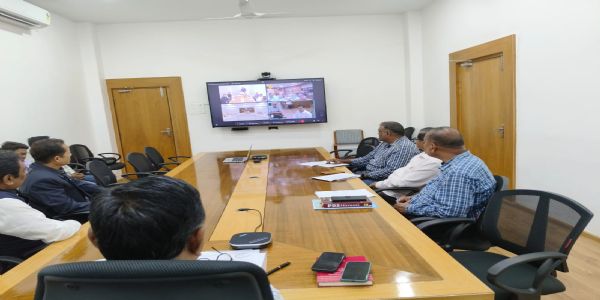
Virtual Meeting Held on LPG Availability and Distribution; Priority Supply for Emergencies
13 Mar 2026