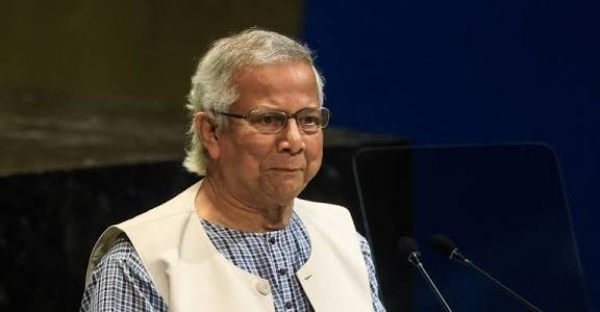
Dhaka, 10 February (H.S.): Bangladesh's interim leader Muhammad Yunus issued a fervent nationwide appeal late Monday, February 9, 2026, imploring citizens to endorse his administration's sweeping 84-point July National Charter-2025 via a Yes vote in the upcoming referendum coinciding with general elections on February 12, positing it as a bulwark against recurrent misrule.
Addressing senior secretaries and bureaucrats hours before the midnight cessation of campaigning—mandated 48 hours pre-poll per election laws—Yunus averred that a triumphant Yes would forge Bangladesh's future in a more positive way, capping weeks of vigorous promotion by state apparatus including Bangladesh Bank's directive for commercial banks to flaunt Yes banners at offices using CSR funds for aligned NGO drives.
State functionaries canvassed unabated until January 29, when the Election Commission proscribed such activities as punishable offences, prompting jurists to decry the interim regime's partisan overreach given taxpayer-funded referendum costs and constitutional lacunae absent provisions for plebiscites.
Unveiled October 17, 2025, amid fanfare following consultations via Yunus-chaired National Consensus Commission post the student-led July Uprising that ousted Sheikh Hasina's Awami League on August 5, 2024, the charter ostensibly transitions society from barbarism to civilisation.
President Mohammed Shahabuddin gazetted it post-signature, binding successors to implementation.The ballot poses one binary query spanning judicial, electoral, constitutional, and administrative reforms; voters mark Yes for stronger concurrence, No for dissent, though detractors lament its oversimplification of disparate, intricate proposals—potentially confounding even discerning electorates favoring select tenets over others.
Prominent barrister Swadhinata Malik impugned the charter's gazette as unconstitutional since the supreme law persists unsuspended or annulled sans martial decree, rendering presidential endorsement illicit; a prior nationwide address reiterated Yunus's solicitation for affirmative ballots.
Installed post-uprising, Yunus's tenure—bolstered by U.S. trade overtures—now seeks plebiscitary legitimacy amid skepticism over referendum's propriety and capacity to obligate incoming governance, with polls doubling as crucible for post-Hasina stability.
---------------
Hindusthan Samachar / Jun Sarkar

10 Feb 2026
Landmark Trial Opens: Lawyer Accuses Meta and YouTube of Intentionally Addicting Children to Social Media
10 Feb 2026
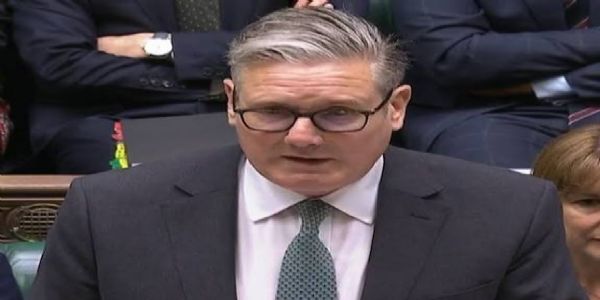
Starmer Defies Resignation Calls Amid Epstein-Mandelson Firestorm Gripping Downing Street
10 Feb 2026