Kathmandu, September 07 (H.S.): The rescue operation for people feared to be trapped inside tunnels following the devastating floods in Nepal is becoming increasingly complex. Rescue teams are having to undertake several potential operations simultaneously at different locations, each presenting its own set of risks, uncertainties and challenges.
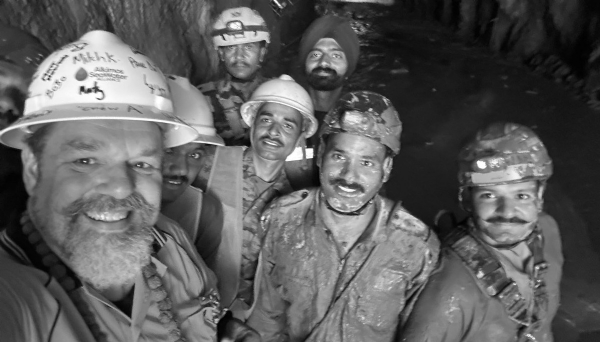
The rescue operation is being led by 62-year-old Australian tunnel expert and geologist Professor Arnold Dix, who said Nepal was currently facing an extraordinary situation, with multiple potential rescue operations unfolding at the same time.
Dix, who gained international recognition for playing a key role in the successful rescue of 41 workers trapped inside the Silkyara tunnel in Uttarakhand, India, in 2023, described Nepal's current situation as one of the greatest tests of his life.
Reflecting on the Silkyara rescue operation in a social media post on Monday, he said the successful rescue of all 41 workers demonstrated that collective efforts could overcome challenges that might initially appear impossible. He said overcoming one major challenge did not necessarily mean that all tests had come to an end. Instead, it could lead to even greater responsibilities.
Drawing a parallel between the Western concept of duty and the Eastern philosophy of dharma, Dix said the priority in any rescue operation should be to continue doing the right thing, regardless of how uncertain the chances of success might be. He said the Silkyara rescue operation had taught him that something appearing difficult or impossible should not automatically be considered truly impossible.
At the same time, Dix said Nepal's current situation was teaching him another important lesson: when the lives of multiple people may depend on rescue teams simultaneously, hope must be transformed into disciplined action and compassion into practical assistance.
According to Dix, the true test of a rescue operation is not merely the number of lives saved, but whether rescue teams continue their efforts despite increasingly difficult circumstances, growing responsibilities and uncertain outcomes. He stressed that the success of a rescue operation should not be assessed solely on the basis of the number of people rescued. Instead, he emphasised the responsibility to continue searching for and assisting those who may still be alive.
His message also revived memories among people who had experienced rescue operations during the 6.9-magnitude earthquake that struck eastern Nepal. Some said Dix's reflections reminded them of previous disasters while also inspiring renewed hope amid the ongoing crisis.
In the Bhotekoshi-affected areas, personnel from the Nepal Army, Armed Police Force and specialist rescue teams remain deployed. The teams are continuing efforts to locate people believed to be trapped inside tunnels and bring them out to safety.
---------------
Hindusthan Samachar / Jun Sarkar

18 Aug 2026