Kochi, 07 September (H.S.): Kerala’s cardamom plantations, spread across the mist-covered hills of Idukki and adjoining districts, remain among the state’s most valuable agricultural assets. Known as the “Queen of Spices,” small cardamom provides a vital source of income for thousands of growers, plantation workers, traders, processors and exporters.
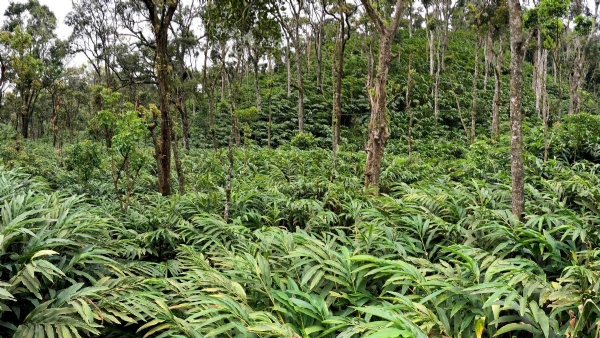
The crop is cultivated mainly in Idukki, particularly around Udumbanchola, Vandanmedu, Kattappana, Kumily, Pampadumpara, Nedumkandam and Myladumpara. Smaller plantations are also found in parts of Wayanad and other high-altitude areas. Idukki’s cool climate, abundant rainfall, rich forest soil and shaded hill slopes create conditions suited to producing capsules prized for their colour, aroma and oil content.
Cardamom is one of Kerala’s most important cash crops because it is grown primarily for sale rather than household consumption. Its high value per kilogram allows cultivators to earn considerable revenue from relatively small holdings. The crop also sustains employment through harvesting, drying, sorting, grading, packaging, transport and trading.
The latest Spices Board estimates underline Kerala’s dominance in small-cardamom cultivation. The state produced about 18,444 tonnes from approximately 25,500 hectares in 2024-25. India’s total production during the year was estimated at 19,325 tonnes, giving Kerala more than 95 per cent of national output. Karnataka and Tamil Nadu accounted for much smaller quantities. The figures also show Kerala’s production rising from 18,025 tonnes in 2023-24.
After harvesting, the green capsules are washed and dried in curing houses, where temperature control is crucial for retaining their natural green colour. The produce is then cleaned and graded according to size, colour, weight and quality. Much of the trade passes through licensed dealers and electronic auctions conducted under the supervision of the Spices Board at centres such as Puttady in Idukki.
Exporters purchase suitable grades either through auctions or established supply networks. The cardamom is subsequently cleaned, tested for pesticide residues and other quality parameters, and packed according to the importing country’s requirements. It is shipped as whole capsules or processed into seeds, powder, oils and oleoresins. The Puttady Spices Park supports cleaning, grading, packaging and value addition, while Kochi remains an important centre for spice exporters and overseas trade.
Official statistics are published for cardamom exports from India, but a separate figure showing only cardamom physically exported from Kerala is not regularly provided. Since Kerala produces the overwhelming majority of India’s small cardamom, however, the state is the principal source of the country’s exportable crop.
India exported 15,050 tonnes of small cardamom in 2025-26, earning ₹3,671.98 crore, according to the Spices Board’s final figures. This represented a striking increase from 6,728 tonnes valued at ₹1,566.82 crore in 2024-25. Large-cardamom exports, originating mainly in northeastern India, stood separately at 1,753 tonnes worth ₹315.92 crore in 2025-26. Small cardamom alone contributed about nine per cent of India’s total spice-export earnings during the year.
The Gulf region is an especially important market because cardamom is widely used in Arabic coffee, tea, sweets and festive dishes. Indian cardamom also reaches markets in Europe, North America and Asia, where it is used by the food, beverage, confectionery, pharmaceutical and fragrance industries.
Despite its high returns, cardamom is an expensive and demanding crop. Farmers face rising labour and fertiliser costs, erratic rainfall, prolonged dry spells, intense showers, pest attacks and fungal diseases. Prices can also fluctuate sharply according to production, capsule quality, domestic demand and competition from Guatemala, the world’s other major supplier.
For Kerala, cardamom is more than a fragrant spice. It is a high-value commodity connecting remote hill plantations with international markets. Improving productivity, controlling pesticide residues, adopting climate-resilient cultivation and expanding value-added exports will determine whether the crop can preserve its importance in Kerala’s rural economy.
---------------
Hindusthan Samachar / Arun Lakshman