Washington, 17 September (H.S.): The US House of Representatives has approved the Lindsey O. Graham Sanctioning Russia and Iran Act of 2026, a legislation imposing tougher economic sanctions on Russia and Iran, by a vote of 262-159. The bill has now been sent to President Donald Trump for his signature. The Senate had previously passed the legislation by a strong bipartisan vote of 86-11.
According to Russia’s international news television network RT and Türkiye’s state-run Anadolu Agency, 203 Republicans and 58 Democrats voted in favour of the bill, while seven Republicans and 152 Democrats voted against it. The legislation gives the President the authority, under specified conditions, to impose additional tariffs of up to 100% on goods imported from countries that purchase significant quantities of Russian oil or gas or assist Russia in evading sanctions.
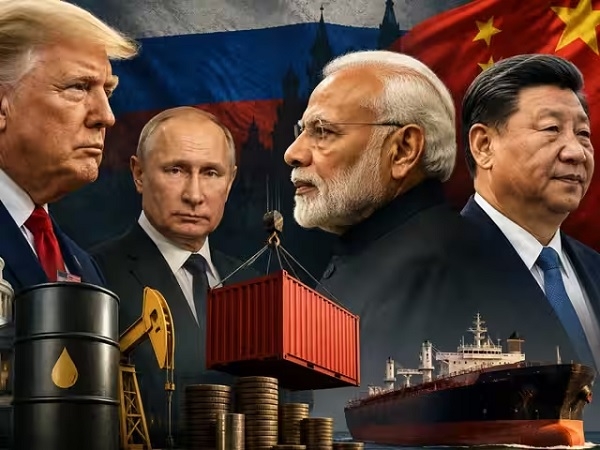
The provision has drawn particular attention because it could affect major buyers of Russian crude oil, including India and China. However, the legislation does not automatically impose a 100% tariff on imports from either country. Rather, it gives the President discretionary authority to impose such duties under specified statutory conditions, with provisions for exemptions and waivers in certain circumstances.
The proposed law provides for primary and secondary sanctions against Russian officials, oligarchs, their family members, foreign individuals and Russian banks and financial institutions. It also targets networks and entities involved in supporting Russia’s economy and helping Moscow circumvent existing sanctions. The legislation additionally addresses Russia’s so-called shadow fleet of vessels used to facilitate oil shipments while evading sanctions.
The bill also contains provisions extending existing US sanctions related to Iran, including measures concerning the country’s energy and weapons sectors. The legislation would extend the Iran Sanctions Act, which is aimed in part at companies investing in Iran’s energy sector.
Some Democratic lawmakers who opposed the bill expressed concern about the broad tariff authority it would give the President. Their objections centred on the possibility that the executive branch could receive extensive powers over trade policy and that the measures could have wider economic consequences. Supporters of the legislation have argued that tariffs could provide an additional tool for increasing economic pressure on countries that continue to purchase Russian energy.
The legislation is named in honour of the late Republican Senator Lindsey O. Graham, who had been a prominent advocate of tougher sanctions against Russia and support for Ukraine and was among the original proponents of the legislative initiative.
The bill is now with President Trump for consideration. If signed into law, it would establish additional sanctions targeting Russia and expand the President’s authority to impose tariffs on certain countries that purchase Russian energy. The measure could therefore have implications for major Russian energy buyers, including India and China, although the imposition of any such tariffs would depend on the President’s decision and the conditions specified in the law.
---------------
Hindusthan Samachar / Jun Sarkar

18 Aug 2026