Bhubaneswar, 16 September (HS): For decades, Nabarangpur in southern Odisha has remained outside India's railway network. That is now beginning to change.
The Jeypore-Nabarangpur new broad-gauge railway line, planned over about 44 km, has moved into a significant construction phase, with East Coast Railway inviting a fresh ₹538.99-crore tender for major works between Ambaguda and Nabarangpur. The wider project has an estimated cost of ₹747.91 crore and is being jointly funded by the Government of Odisha and the Ministry of Railways.
For Nabarangpur, however, the significance of the project goes far beyond laying tracks.
It is about what happens when a district that has long faced a connectivity deficit is finally brought directly into the railway network.
A Railway Line With a Larger Purpose
The Jeypore-Nabarangpur project is not simply another addition to India's expanding railway system.
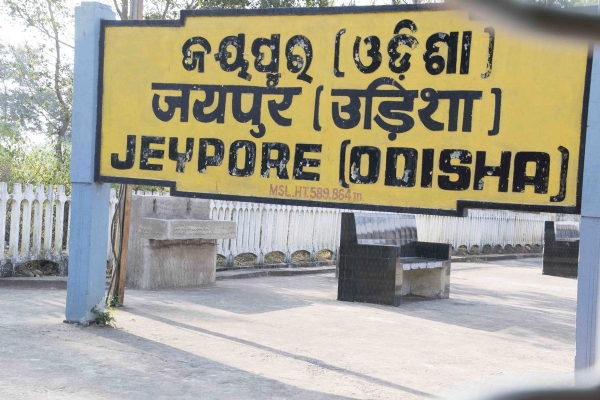
It is expected to provide Nabarangpur with its first direct railway connectivity, linking the district with Jeypore, an existing railway station on the Kottavalasa-Kirandul route. The project was originally sanctioned to connect Nabarangpur with Jeypore and, through the existing network, with important centres including Koraput, Jagdalpur and Dantewada.
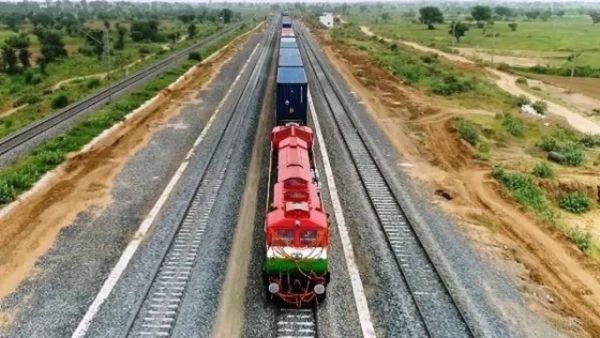
The latest tender covers the design and construction of the Ambaguda-Nabarangpur section, including tracks, bridges, road overbridges and underbridges, electrification and associated railway infrastructure.
The project is therefore moving beyond planning towards substantial physical execution.
Why Nabarangpur Matters
Nabarangpur is part of Odisha's predominantly tribal southern region, where connectivity has long been an important development priority.
Limited railway access affects more than passenger movement.
For farmers and rural producers, transport infrastructure can influence how easily goods reach larger markets. For students and workers, connectivity can expand access to educational institutions and employment centres. For businesses, reliable transport can improve the movement of goods and strengthen links with markets outside the immediate district.
The new railway therefore represents more than a transport facility.
It can become an important piece of regional economic infrastructure, bringing Nabarangpur closer to the wider economic network of Odisha and India.
From Jeypore to Nabarangpur
The choice of Jeypore as the connecting point is significant.
Jeypore is already part of the railway network serving southern Odisha. The new line will extend that connectivity towards Nabarangpur, bringing the district headquarters into a wider transport system.
The project was originally sanctioned as a new broad-gauge railway line at an estimated cost of ₹747.91 crore. Subsequent project descriptions have placed the route at around 41-44 km, while the current construction tender describes the overall line at approximately 44.14 km.
The important development is that a major construction package has now moved into the tendering stage.
The Geography of Inclusion
India's railway expansion is often associated with industrial corridors, freight routes, ports and major cities.
The Nabarangpur line illustrates another important role for the railway network: connecting historically underserved regions with the wider economy.
For a tribal-majority region, that connectivity can have particular significance.
Better rail access can reduce the physical distance between communities and district headquarters, producers and markets, and local populations and larger centres offering education, healthcare and employment.
It can also create new possibilities for businesses and services to develop around the corridor.
In this sense, the railway is not merely changing the transport map.
It can gradually change the economic map as well.
More Than Passenger Trains
The long-term opportunity lies in connecting the railway with Nabarangpur's existing economic base.
Agriculture is an important part of the local economy, while the region also has forest-based and other rural economic activities.
The original railway proposal identified potential freight traffic including maize, rice, fertiliser, cement, wheat and petroleum products from villages along the route.
A railway connection can provide another channel through which agricultural and other products reach markets beyond the immediate district.
The opportunity is also to encourage value addition closer to the source.
Storage, processing, packaging and logistics facilities can create additional economic activity around improved connectivity, helping local producers participate more effectively in larger markets.
A Project Built Around Partnership
The funding structure is an important part of the project.
The Odisha government is responsible for land acquisition and 50 per cent of the construction cost, while the Railways funds the remaining 50 per cent.
The project has been identified as an important railway development for connecting the tribal-dominated areas of Jeypore and Nabarangpur and improving access to markets and services.
The partnership between the state and the Railways reflects the importance of connectivity as part of the region's broader development story.
The Wider Southern Odisha Picture
Nabarangpur is not the only part of southern Odisha where railway connectivity is being expanded.
The railway development pipeline also includes projects such as the Jeypore-Malkangiri new line and other new-line and capacity-expansion projects across Odisha.
Taken together, these projects point towards a broader strengthening of rail connectivity across southern and western parts of the state.
As these links progress, southern Odisha can become increasingly connected with the wider railway network serving Odisha and neighbouring states.
That can open new possibilities for the movement of agricultural commodities, local products, industrial goods, workers, passengers and tourists.
What Could Change Once the Railway Arrives?
The most important part of the Nabarangpur railway story will begin after construction is completed.
For Nabarangpur, first-time railway connectivity can gradually alter the way people, products and economic activity move.
A rail link to Jeypore can connect the district to an established railway network and provide another option for longer-distance movement.
Agriculture Could Gain a Larger Market
Nabarangpur's rural economy is closely linked to agriculture. Rail connectivity can make it easier for agricultural produce to move beyond nearby markets, particularly when combined with collection centres, storage facilities and local processing units.
The opportunity is not simply to transport more agricultural produce, but to encourage value addition closer to the source.
If processing, packaging and storage facilities develop around the new connectivity, more economic activity can take place within the region.
New Logistics Possibilities
The railway can provide a foundation for a more organised logistics ecosystem.
Warehousing, loading facilities, transport services and distribution businesses can develop around railway stations as passenger and freight activity grows.
For local businesses, having rail as an additional transport option can provide greater flexibility in reaching markets outside southern Odisha.
Employment and Enterprise Opportunities
The railway itself will generate substantial economic activity during construction.
Its longer-term impact can extend further as businesses and services develop around the new transport corridor.
Retail, transport, warehousing, hospitality, maintenance and other service activities can benefit from increased passenger and commercial movement.
Improved connectivity can also make it easier for local entrepreneurs to expand their businesses and connect with customers and suppliers beyond the district.
Tourism Could Gain a New Route
Southern Odisha has considerable cultural, tribal and natural attractions.
Improved railway connectivity can make destinations in and around Nabarangpur easier to reach for visitors from other parts of Odisha and neighbouring states.
That can create opportunities for locally operated accommodation, transport, handicrafts, food businesses and other tourism-linked activities.
The railway can therefore become another gateway through which the region's cultural and natural wealth reaches a wider audience.
Better Access to Education and Healthcare
The future impact can also be measured in everyday mobility.
Students can gain easier access to educational centres, while patients and families can potentially reach specialised healthcare facilities more conveniently.
Workers can also have greater mobility between Nabarangpur and larger employment centres.
For communities that have historically relied heavily on road transport, railway connectivity can provide another important mobility option.
Opening Southern Odisha to New Possibilities
The railway's larger significance lies in strengthening economic links across southern Odisha.
As other railway projects in the region progress, Nabarangpur can become increasingly connected with a wider network linking communities, markets and economic centres across Odisha and neighbouring states.
This can create new opportunities for the movement of agricultural commodities, local products, passengers and tourists.
For a district awaiting its first railway connection, the change is therefore both physical and economic.
A railway station is not merely a place where trains stop.
It can become a new point of connection between local communities and the wider economy.
From Railway Line to Development Corridor
The Jeypore-Nabarangpur line represents a larger idea in India's infrastructure story: connectivity can bring previously distant regions closer to the country's expanding network of opportunity.
Roughly 44 km of new railway can shorten distances that have existed for generations.
It can connect producers with markets, students with institutions, workers with opportunities and travellers with new destinations.
As connectivity improves, the possibilities around it can grow.
For Nabarangpur, the railway can mark the beginning of a new chapter - one in which the district becomes more closely connected to the economic life of southern Odisha and the wider Indian economy.
From isolation to integration, the tracks to Nabarangpur can become a foundation for a more connected, accessible and economically vibrant southern Odisha.
---------------
Hindusthan Samachar / Indrani Sarkar