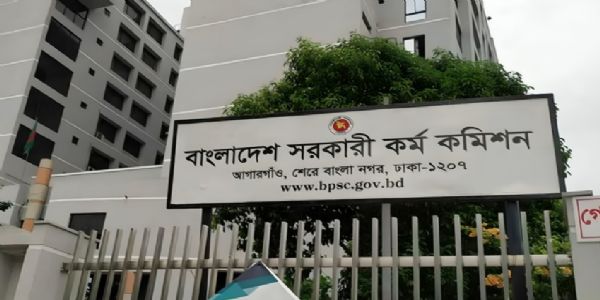
Dhaka, 22 August (H.S.): Bangladesh has signalled that it may consider joining the joint defence framework formed by Pakistan, Saudi Arabia and Turkiye. Humayun Kabir, foreign affairs adviser to Prime Minister Tariq Rahman, said Dhaka could explore the possibility of joining an economic or defence framework based on national interests and changing global circumstances.
According to reports by Pakistani Urdu television channels Dunya News and Geo News, citing Bangladeshi media, Dhaka is pursuing a balanced foreign policy under its “Bangladesh First” approach, with national interests being given the highest priority.
Humayun Kabir said Bangladesh was working to strengthen pragmatic bilateral relations with Pakistan as part of normal diplomatic engagement. The two sides are also focusing on expanding trade and strengthening people-to-people contacts.
Dhaka has maintained that any decision regarding new economic or defence cooperation would be taken after considering the country’s national interests and the evolving global economic and trade environment.
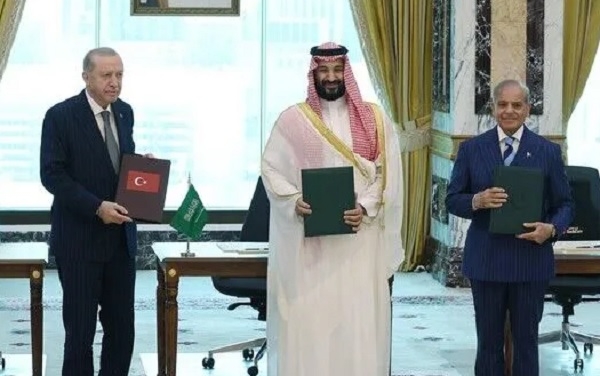
Amid growing tensions in West Asia, Pakistan, Saudi Arabia and Turkiye signed the Makkah Joint Defence Agreement on August 7. Under the agreement, an armed attack against any one of the three member countries would be regarded as an attack against all three.
The agreement was signed against the backdrop of heightened regional tensions following the US-Israel war against Iran, which began on February 28. The conflict has drawn several Gulf countries into the wider crisis and disrupted maritime traffic through the strategically important Strait of Hormuz. The agreement is aimed at strengthening defence cooperation and collective security among the three countries while promoting regional peace, security and stability.
The agreement was signed during a joint defence summit in Makkah attended by Saudi Crown Prince and Prime Minister Mohammed bin Salman, Turkish President Recep Tayyip Erdogan and Pakistani Prime Minister Shehbaz Sharif.
Following the signing, Turkish Foreign Minister Hakan Fidan compared the arrangement, in technical terms, with the collective defence mechanism under Article 5 of NATO. However, he clarified that the agreement was not directed against Iran or any other country. He also indicated that President Erdogan wanted to expand the framework, with countries such as Egypt potentially being considered as future partners.
Pakistan's Deputy Prime Minister and Foreign Minister Ishaq Dar said on August 9 that the Makkah agreement was open to countries willing to accept its fundamental principles. He described the pact as defensive in nature and said it did not cancel or affect Pakistan’s existing bilateral or multilateral agreements.
Following Bangladesh’s latest indications, speculation over a possible expansion of the Makkah defence framework is likely to intensify. However, Dhaka has not formally announced any decision to join the agreement. Nevertheless, the developments have drawn attention to emerging strategic alignments between South Asia and the Middle East.
---------------
Hindusthan Samachar / Jun Sarkar

18 Aug 2026