Nagpur, 20 Aug
(HS): Probably for the first time Nagpur’s Visvesaraya National Institute of
Technology (VNIT) formed a Biomedical Engineering Forum (BMEF) of about 85
medical practitioners who are experts in different faculties to understand
their requirement, particularly in using various equipment.
The initiative
was taken by former Director of VNIT Dr Pramod Padole. The equipment used by
medical practitioners in various surgeries and other procedures are designed by
engineers. Dr Padole’s efforts were aimed at research on these equipment and
research towards making the procedure easy for use of doctors and comfortable
for the patients undergoing the procedures. The same efforts are being
continued by the present Director Dr Prem Lal Patel.
VNIT carried out
research and worked out several equipment, but never tried to publicise it except
informing about them to the medical practitioners, due to procedure and rules
made by the institution.
Hindusthan
Samachar was able to lay down on some of the research products of VNIT, which
are being used by some doctors. With the ECG (Electrocardiogram) VNIT
Researchers developed a mathematical tool to use EMG for measuring strength of
muscles in the body. This is likely to help an orthopaedic surgeons in
evaluating muscles supporting the bone undergoing surgery. The researchers have
also worked on implants in bone surgeries like rods and plates to reduce pain suffered
by the patient.
EMG tool helps
faster recovery of the patients, who are required to confine to bed for several
months, particularly after surgery of leg bones.
Similarly a tool
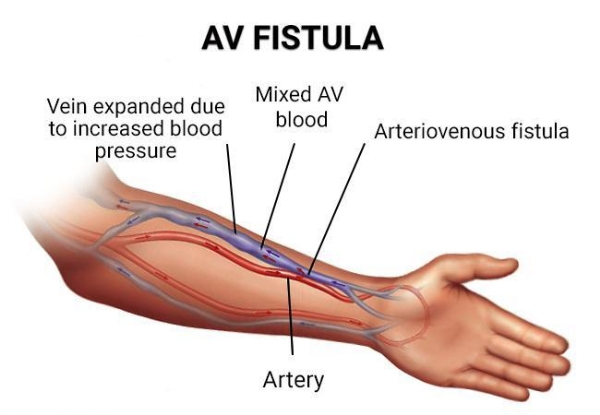
called ‘AV Fistula’ developed with the help of Nephrologists is used during dialysis,
reduced time to heal injury and patient is relieved of pain and exhaustion
after undergoing the procedure. Fistula is a surgical connection between an
artery and vein – usually in the forearm. It is considered the best and safest lifeline
for haemodialysis because it allows high-speed blood flow and lasts longer with
fewer ricks of infection or clotting. Patients undergoing dialysis readily
offer their consent for using the AR Fistula.
VNIT researchers
have also worked out on tools used by dental surgeon or maxillofacial surgeons
and even experts in plastic surgery.
The researchers
work in VNIT labs, and also labs of experts in different faculties of medical
sciences and many costly equipment are available with the practising doctors
and difficult to be purchased by VNIT. Plus the patients for testing cannot be
made available at VNIT under the supervision of engineers.
Supporting these
research activities, VNIT has started a detailed medical check-up for the final
year students, who are facing campus interviews. The data collected through
these medical tests is made available to those conducting the campus
selections. The companies recruiting the students are not required to carry out
the same procedure for selected candidates.
Prof Dr Rashmi
Uddanwadikar of VNIT and a keen researcher stated that mostly the students fall
in normal range as mentioned by pathological labs. Within the same ranges,
Complete Blood Count (CBC), Bone Mineral Density (BMD) tests, Body Mass Index
(BMI), Haemoglobin, Cardio-Respiratory evaluation is carried out.
The data is also
used in research for advising the young generations for leading healthy life.
Comparative study is also carried out for vegetarian and non-vegetarian
students, including occasional non-veg and frequent non-veg food habits.
Those who are on
the lower side and near higher range with in the normal range of standard
parameters are studied. Comparative study between male and female students is
also carried out.
VNIT thus
acquires an important place in research aimed to benefit the society at large,
which is working with integrated approach.
---------------
Hindusthan Samachar / Ajay Vasant Mardikar