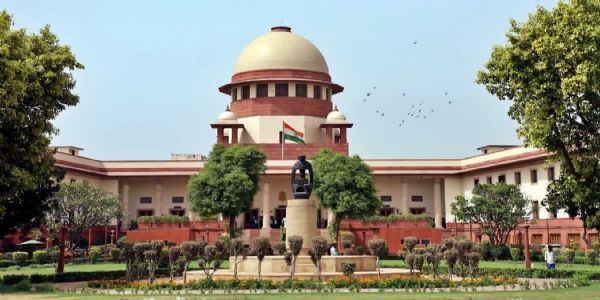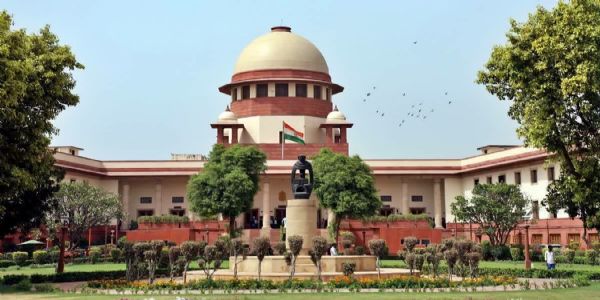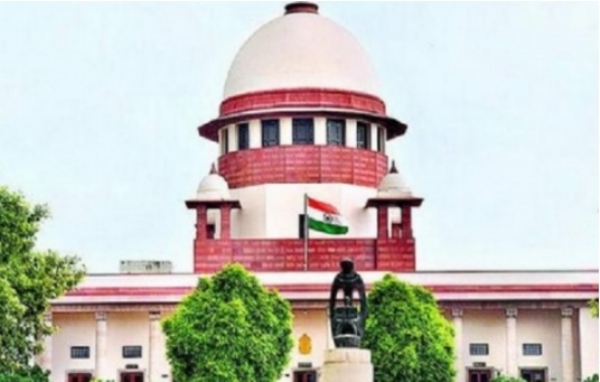
New Delhi, 13 August (H.S.): The Supreme Court has agreed to hear a petition challenging the use of facial recognition technology and biometric surveillance during peaceful protests. A Bench headed by Chief Justice of India Surya Kant directed that the petition be tagged with other matters concerning the issue.
The petition has been filed by Rajya Sabha MP A. A. Rahim through advocate K. R. Subhashchandran. It argues that deploying facial recognition technology and biometric surveillance during peaceful demonstrations is unconstitutional. The plea contends that such technologies should not be used unless Parliament enacts a specific law governing their deployment.
According to the petition, the Delhi Police used a surveillance mechanism to monitor protesters at Jantar Mantar without any specific statutory authority. It argues that neither the Delhi Police Standing Orders nor the Criminal Procedure (Identification) Act authorises such biometric surveillance.
The plea further alleges that the Delhi Police is using automated technology to identify protesters biometrically and link their identities with the National Crime Records database. It claims that this has enabled the continuous monitoring of protesters, journalists and members of the public.
The petition also refers to information obtained by the petitioner through the Right to Information Act, under which the Delhi Police reportedly stated that facial recognition technology is used for identifying missing persons and unidentified deceased individuals.
The plea has invoked the Supreme Court’s landmark judgment in Justice K. S. Puttaswamy (Retd.) v. Union of India, which recognised the right to privacy as a fundamental right. It questions the legal basis and proportionality of the Delhi Police’s alleged use of facial recognition and biometric surveillance during peaceful demonstrations.
The petitioner has urged the Supreme Court to examine whether such surveillance measures can be deployed against peaceful protesters in the absence of a specific legislative framework and whether they violate constitutionally protected rights, including the right to privacy.
---------------
Hindusthan Samachar / Jun Sarkar