New Delhi, 13 August (H.S.):
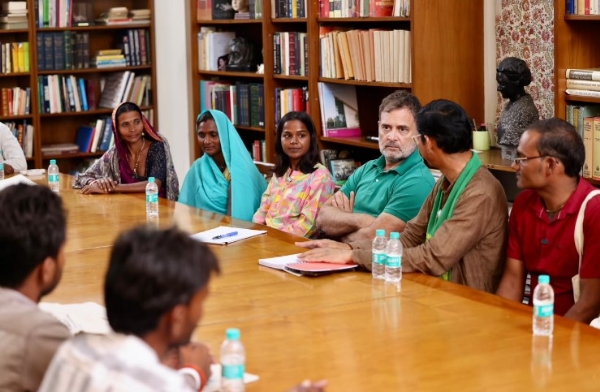
Leader of Opposition in the Lok Sabha Rahul Gandhi on Thursday met a delegation representing people affected by the Ken-Betwa River Linking Project in Madhya Pradesh. He heard their concerns and assured them that their grievances would be raised at the appropriate forums, while promising that they would not be allowed to face injustice.
During the meeting, members of the delegation apprised Gandhi of issues related to the displacement, rehabilitation and compensation of tribal communities and other local residents affected by the project. They also highlighted concerns over the impact of the project on their land, homes and livelihoods.
The meeting comes amid protests by tribal communities, farmers and local residents in Madhya Pradesh’s Chhatarpur and Panna districts over the Ken-Betwa project. Key concerns raised by affected people include displacement, delays in compensation, rehabilitation arrangements and issues relating to forest rights.
Earlier, on August 5, Gandhi had raised the issue of displacement and rehabilitation of tribal families affected by the Ken-Betwa River Linking Project in the Lok Sabha. Gandhi and Samajwadi Party MP Ajendra Singh Lodhi had sought details from the Ministry of Tribal Affairs regarding families affected by the project and the action taken by the government on grievances raised by protesting tribal communities.
In a written reply, Minister of State for Tribal Affairs Durgadas Uikey said the ministry had received several representations concerning displacement caused by the Ken-Betwa project. Following examination, the representations were forwarded to the Madhya Pradesh government and the concerned district administrations for inquiry and necessary action. The Centre also stated that implementation of the Forest Rights Act falls under the responsibility of states and Union Territories.
The Ken-Betwa River Linking Project is the first project under the national river interlinking programme. It envisages transferring water from the Ken River in Madhya Pradesh to the Betwa River in Uttar Pradesh. The project involves the construction of a dam, canals and tunnels and is aimed at improving irrigation, drinking water availability and power generation in the Bundelkhand region.
The project is estimated to cost more than Rs 44,000 crore. According to the government, it is expected to provide irrigation facilities to around 10.62 lakh hectares of land in Bundelkhand and drinking water benefits to nearly 62 lakh people.
However, people affected by the project maintain that their opposition is not against development itself but centres on fair rehabilitation, transparent compensation and protection of their rights over land and forests.
Protesters have demanded that every adult member of an affected family be treated as a separate beneficiary, greater transparency in compensation and rehabilitation, land-for-land compensation, properly equipped rehabilitation sites, and strict compliance with Gram Sabha procedures and the provisions of the Forest Rights Act.
Environmental concerns have also emerged as a major point of contention. Protesters have repeatedly raised concerns about the potential impact of the project on the Panna Tiger Reserve and surrounding forest areas, as well as the proposed felling of a large number of trees.
---------------
Hindusthan Samachar / Jun Sarkar