New Delhi, 15 July (H.S.):
In a major citizen-centric reform, the Delhi Cabinet has approved the Delhi Right of Citizen to Time-Bound and Ease of Delivery of Services Bill, 2026. The proposed legislation introduces a robust accountability framework for government officials and provides for clear penalties in cases of unjustified delays in delivering public services. Officials responsible for delays without valid reasons may face a penalty of Rs 250 per day, subject to a maximum of Rs 5,000.
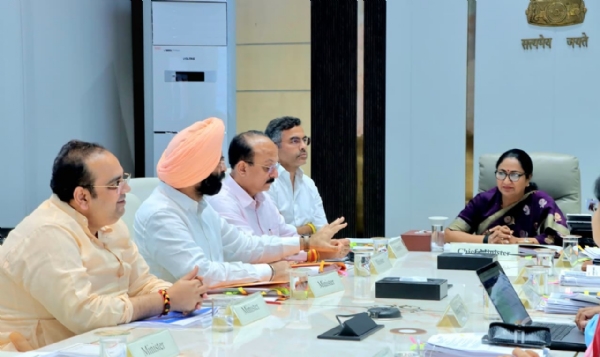
In a statement issued on Wednesday, Chief Minister Rekha Gupta said the Bill aims to ensure that citizens receive notified government services within the prescribed time frame. It seeks to make government departments and officials more accountable for delays and negligence in service delivery. She described the legislation as a significant step towards administrative reforms in Delhi, stating that it would become a milestone in providing transparent, simple, efficient and technology-driven public services.
The Chief Minister said the proposed legislation will replace the Delhi (Right of Citizen to Time-Bound Delivery of Services) Act, 2011. Under the new framework, extensive use of modern digital technologies will be made to ensure faster, more transparent and more efficient delivery of public services.
Under the Bill, every citizen will have a statutory right to receive notified government services within the prescribed time limit. The government will periodically issue notifications specifying the services covered under the law. Notifications issued by the Delhi Government will also define the prescribed timelines and identify the designated officers responsible for delivering each service.
Gupta said the Bill provides for the complete digitisation of the service delivery process, from the submission of applications to the final delivery of services. Citizens will be able to apply online, and each application will be assigned a unique identification number, enabling real-time online tracking of its status. Every stage of the application process will be digitally accessible, while departments will monitor service delivery online to ensure timely completion. This system is expected to significantly reduce the need for citizens to make repeated visits to government offices while making governance more transparent, efficient and citizen-friendly.
One of the Bill's key features is the provision for automatic escalation of appeals. If a designated officer fails to provide a service within the stipulated time, the matter will automatically be referred to the Citizen Grievance Redressal Authority without requiring the applicant to file a separate appeal. If the authority also fails to dispose of the matter within the prescribed period, the case will automatically be escalated to the Delhi Right to Service Commission. This mechanism is intended to ensure institutional accountability while sparing citizens from unnecessary procedural formalities.
The Bill also provides for the appointment of Citizen Grievance Redressal Authorities in every government department. These authorities will adjudicate appeals relating to delays in service delivery or rejection of applications, issue directions for the provision of services where necessary, determine responsibility for delays and initiate penalty proceedings wherever warranted. As a general rule, all appeals are required to be disposed of within 30 days.
The proposed legislation further provides for the establishment of an independent statutory Delhi Right to Service Commission comprising a Chairperson and other members. The Commission will hear second appeals, monitor the effective implementation of the law, inspect government offices, recommend departmental action against negligent officials, and advise the government on bringing additional public services within the ambit of the legislation. It will also recommend administrative reforms, conduct suo motu inquiries where necessary, review its own decisions in accordance with the provisions of the law, and publish an annual report on service delivery and implementation of the Act.
To ensure accountability, the Bill incorporates explicit penal provisions. In cases of unjustified delays in providing services, the designated officer may be fined Rs 250 per day, subject to a maximum penalty of Rs 5,000. Similarly, where an application is rejected without valid justification, a one-time penalty ranging from Rs 250 to Rs 5,000 may be imposed. Before any penalty is levied, the concerned official will be given a full opportunity to present his or her case.
The Chief Minister said the implementation of the proposed law would ensure timely delivery of government services, reduce unnecessary delays and repeated visits to government offices, enhance transparency through digital tracking, and strengthen accountability across the administrative system.
---------------
Hindusthan Samachar / Jun Sarkar

15 Jul 2026