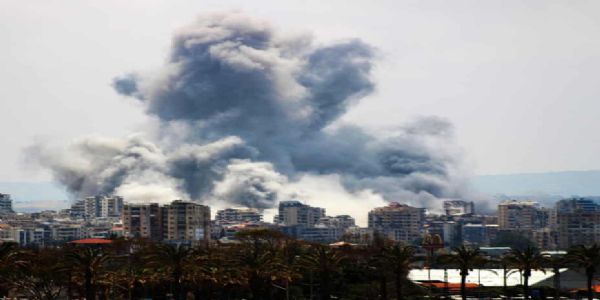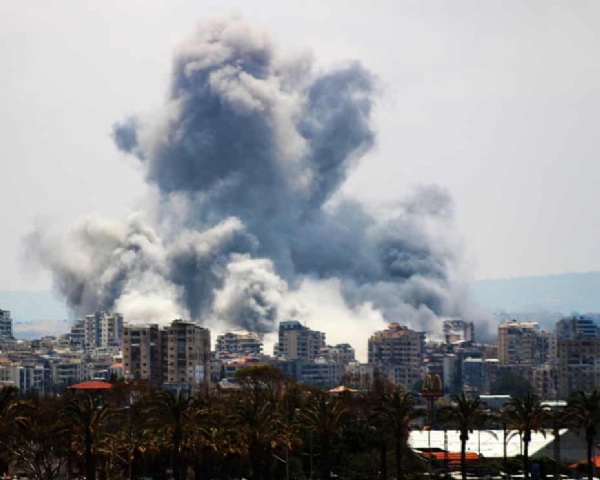
BEIRUT/WASHINGTON, June 2(HS): A potential breakthrough emerged in efforts to ease tensions along the Israel-Lebanon border after Lebanon announced that Hezbollah has accepted a United States-backed proposal for a mutual cessation of hostilities with Israel.
According to a statement issued by Lebanon's embassy in Washington and later shared by the Lebanese presidency, the proposal aims to establish an immediate halt to attacks by both sides and could eventually be expanded to cover all Lebanese territory.
The development comes amid growing international concern over the risk of a broader regional conflict following weeks of escalating military exchanges between Israel and the Iran-backed Hezbollah movement.
Under the proposed arrangement, Israel would refrain from carrying out strikes in the southern suburbs of Beirut, an area considered a stronghold of Hezbollah. In return, Hezbollah would suspend attacks against Israeli targets. The proposal was reportedly advanced after Israel threatened military action against Beirut's southern districts earlier this week.
The announcement is being viewed as a significant diplomatic step toward de-escalation at a time when tensions across the Middle East remain high. Regional observers believe that preventing further violence in Lebanon could help preserve wider diplomatic efforts involving the United States, Israel, Iran, and other regional actors.
Hezbollah lawmaker Hassan Fadlallah said the group supports a comprehensive ceasefire across Lebanon, describing it as an important step toward achieving broader stability. He added that Hezbollah would closely monitor developments in the coming days to determine whether the cessation of hostilities is being fully implemented.
The proposal also includes expectations that military activity on both sides will significantly decrease, creating conditions for future negotiations on unresolved security and territorial issues. Analysts note that any durable ceasefire would likely require additional diplomatic guarantees and discussions regarding the presence of Israeli forces in disputed areas.
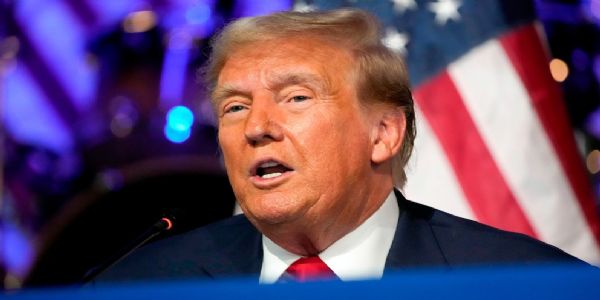
The latest initiative comes as the United States intensifies diplomatic engagement across the region. Recent discussions involving U.S. President Donald Trump, Israeli Prime Minister Benjamin Netanyahu, and regional stakeholders have focused on preventing further escalation while preserving fragile ceasefire arrangements linked to broader negotiations involving Iran.
Despite the positive signal from Lebanon, uncertainty remains over whether the proposed ceasefire can be sustained. Previous agreements between Israel and Hezbollah have frequently collapsed amid renewed hostilities, and military activity in the region continues to fuel mistrust among the parties involved.
Nevertheless, the acceptance of the U.S.-backed proposal marks one of the most significant diplomatic developments in recent weeks and has raised hopes that a wider confrontation in Lebanon can be avoided.
International observers will now be watching closely to see whether both sides fully implement the agreement and whether the pause in hostilities can evolve into a more lasting ceasefire across the Israel-Lebanon frontier.
---------------
Hindusthan Samachar / Jun Sarkar