Tirunelveli , 18 June (H.S.):
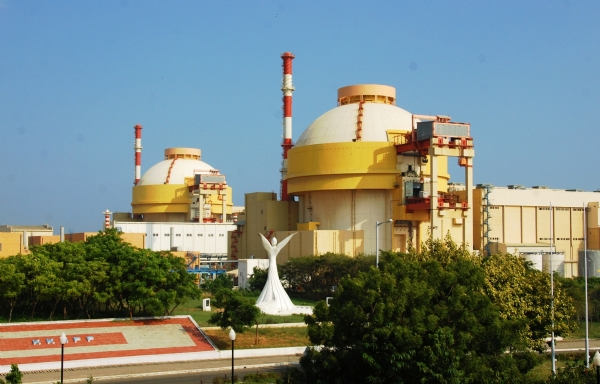
The Kudankulam Nuclear Power Project (KKNPP) has achieved a significant construction milestone with the successful installation of the Reactor Pressure Vessel (RPV) inside the reactor building of Unit-5, marking a crucial step towards the commissioning of the new reactor.
The Nuclear Power Corporation of India Limited (NPCIL) said the 320-tonne Reactor Pressure Vessel was positioned inside the reactor building after obtaining the necessary clearance from the Atomic Energy Regulatory Board (AERB) for the installation of major equipment. The complex operation was carried out using specialised heavy-lift cranes and advanced engineering techniques.
Described as the “heart” of a nuclear power plant, the Reactor Pressure Vessel houses the reactor core where the process of nuclear fission takes place to generate heat for electricity production. The successful installation of the vessel marks the beginning of the erection of key components of the Nuclear Steam Supply System (NSSS), one of the most critical stages in the construction of a nuclear reactor.
NPCIL said the achievement reflects the steady progress being made in the construction of Units 5 and 6 of the project and underlines the strong technical collaboration between India and Russia. Russia’s Atomstroyexport, the engineering arm of Rosatom, has been closely associated with the development of the Kudankulam project, providing technology and engineering support for the VVER-1000 reactors being installed at the site.
Located in Tirunelveli district of Tamil Nadu, the Kudankulam Nuclear Power Project is India’s largest nuclear power generation facility. The project was conceived under an inter-governmental agreement signed between India and Russia in 1988, with construction activities gathering pace in the early 2000s. The project consists of six VVER-1000 pressurised water reactors, each with an installed capacity of 1,000 MW.
Units 1 and 2, which are already operational, have emerged as major contributors to the southern power grid. According to NPCIL, the two units have generated nearly 130 billion units of electricity since commissioning and have helped avoid an estimated 112 million tonnes of carbon dioxide emissions by reducing dependence on fossil fuel-based power generation.
While Units 3 and 4 are in advanced stages of construction, work is progressing steadily on Units 5 and 6. The installation of the Reactor Pressure Vessel in Unit-5 is expected to accelerate subsequent equipment erection and commissioning activities, bringing the project another step closer to enhancing India’s clean energy capacity and long-term energy security.
---------------
Hindusthan Samachar / Arun Lakshman

18 Jun 2026