Kolkata, 11 June (H.S.): The decision of the Suvendu Adhikari-led West Bengal government to appoint separate ministers for the School Education and Higher Education departments as part of the recent portfolio allocation is aimed at achieving multiple administrative and policy objectives, according to sources within the state Bharatiya Janata Party (BJP).
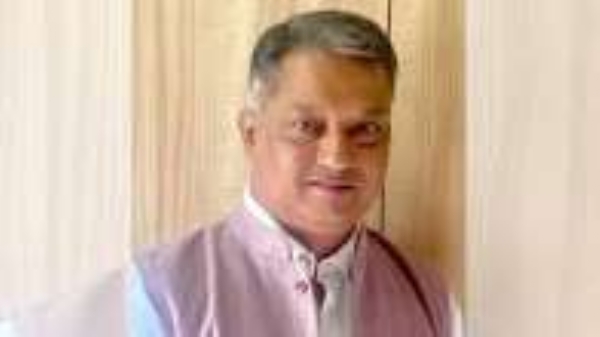
The government has assigned senior BJP legislator Deepak Barman the School Education portfolio, while journalist-turned-politician Jagannath Chattopadhyay has been entrusted with the Higher Education department.
The arrangement marks a departure from the administrative structure followed during the nearly 15-year rule of the Trinamool Congress government under Mamata Banerjee. During that period, the entire education sector was generally overseen by a single minister, with leaders such as Bratya Basu and Partha Chatterjee holding responsibility for the department.
However, the system of having separate ministers for School Education and Higher Education is not new to West Bengal. A similar arrangement existed during the Left Front era. In the final Left Front government before 2011, Partha De served as School Education Minister, while Dr. Sudarshan Ray Chaudhuri was in charge of the Higher Education department.
According to a senior BJP state functionary, the government has four key objectives behind the decision.
The first is to ensure specialised attention to both sectors. While school education focuses on building the academic foundation of students, higher education is centred on research, innovation and professional skill development. Separate ministers are expected to allow greater focus on the distinct needs and challenges of each sector.
The second objective is to improve planning and budget management. School and higher education have different infrastructure requirements, funding priorities and development goals. Separate leadership is expected to facilitate more effective allocation of resources and closer monitoring of expenditure and development projects.
The third aim is to promote targeted policymaking. The challenges facing schools differ significantly from those confronting colleges and universities. Separate ministers will be able to formulate and implement policies tailored to the specific requirements of their respective sectors.
The fourth objective is to accelerate administrative decision-making. Managing the complexities of both school and higher education under a single minister can often slow down approvals and policy implementation. The government believes that having two ministers will help streamline administrative processes and speed up decision-making.
The restructuring of the education sector is expected to provide greater departmental focus and administrative efficiency as the new government begins implementing its policy agenda.
Hindusthan Samachar / Satya Prakash Singh
11 Jun 2026