New Delhi, 07 May (H.S.):
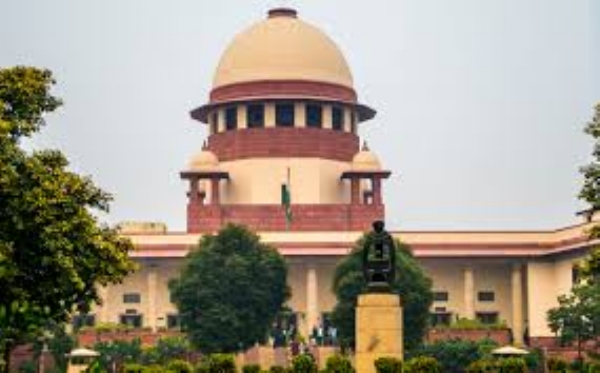
On the 13th day of hearing the Sabarimala temple case, the Supreme Court stated on Thursday that if people start challenging religious practices and matters of faith in court, it could affect religion and society. The nine-judge Constitution bench headed by Chief Justice Suryakant warned that hundreds of petitions would follow, questioning every custom.
During the hearing, Justice BV Nagarathna remarked, Our society is deeply connected to religion. If every individual questions religious practices, it will impact Indian society.
Senior counsel Raju Ramachandran, representing a group of reformers, argued that any action taken in response to an individual's secular or social activities cannot claim constitutional protection under Article 25 and therefore cannot be a matter of religion under Article 26. Responding to this, Justice Nagarathna stated that what troubles the court is the difficult question of how religious customs should be challenged—through reform within religious denominations, government intervention, or court decisions.
On May 6, the court questioned the method used by reformers challenging the Supreme Court's 1962 judgment upholding the Dawoodi Bohra community's excommunication practice. The court stated that review or curative petitions could be filed for reconsideration, as petitions under Article 32 are not legally maintainable. On May 5, the court reprimanded petitioner Indian Young Lawyers Association, calling its 2006 petition an abuse of law and questioning, Why did you file this? Are you the chief priest of the country?
The bench headed by Chief Justice Suryakant includes Justices BV Nagarathna, MM Sundresh, Ahsanuddin Amanullah, Arvind Kumar, AJ Masih, PB Varale, R Mahadevan, and Joymalya Bagchi.
On September 28, 2018, the Supreme Court delivered a 4-1 majority verdict stating women have faced discrimination for long and are not inferior to men. On one hand we worship women as goddesses, on the other we discriminate against them, the court observed. It ruled that biological and physiological reasons cannot extinguish women's religious freedom of belief.
Hindusthan Samachar / Jun Sarkar

07 May 2026