New Delhi, 07 May (H.S.):
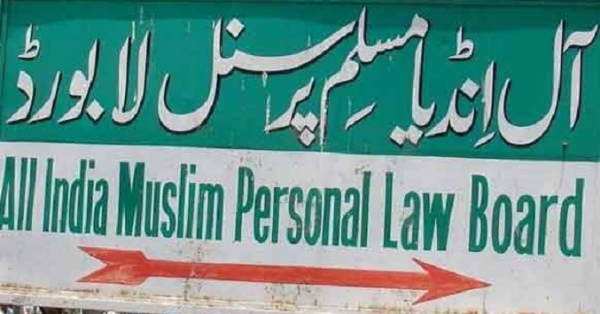
The All India Muslim Personal Law Board has categorically rejected the Union Cabinet's decision to grant Vande Mataram status equivalent to the national anthem 'Jana Gana Mana', mandate recitation of all six stanzas, and make it compulsory to recite before Jana Gana Mana in all government and educational institution programs. The Board described it as completely contrary to the basic spirit of the Indian Constitution, religious freedom, secular values, and historic decisions of the Constituent Assembly, demanding immediate withdrawal of the decision.
All India Muslim Personal Law Board spokesperson Dr. Syed Qasim Rasool Ilyas stated on Thursday that the Central Cabinet's decision is not only unconstitutional and undemocratic but also against the country's religious diversity and constitutional values. He emphasized that a secular nation cannot impose any particular religious concept or belief on all citizens. Several stanzas of Vande Mataram contain glorification and worship of Durga and other deities, directly conflicting with the fundamental Muslim belief in monotheism.
He stated that Islam teaches worship of only one Allah without partners and rejects any form of shirk (associating partners with Allah).
Dr. Ilyas noted that Congress accepted Rabindranath Tagore's 1937 advice limiting Vande Mataram to the first two stanzas, as subsequent ones were religious in nature and unacceptable to all sections.
Accordingly, the Constituent Assembly in 1950 recognized only the first two stanzas. Mandating all six stanzas now represents deviation from historic consensus and constitutes a dangerous, provocative step.
He further stated that national unity and integrity are strengthened not through oppression, uniformity, and religious supremacy but through constitutional protection, mutual respect, and safeguarding religious freedom. The government must refrain from exploiting sensitive religious issues for political purposes and avoid decisions harming national harmony.
The Board clarified that if the government does not immediately withdraw the decision, the All India Muslim Personal Law Board will be compelled to approach the court against it.
---------------
Hindusthan Samachar / Jun Sarkar
07 May 2026