Bhubaneswar, 06 May (H.S.): In a proactive move to strengthen urban resilience, the Housing & Urban Development Department of the Government of Odisha has released a comprehensive Standard Operating Procedure (SOP) for all Urban Local Bodies (ULBs) ahead of Monsoon 2026.
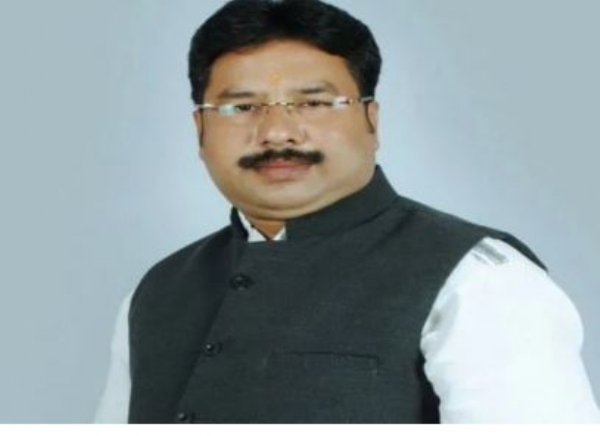
The SOP has been issued under the direction of Housing & Urban Development Minister Dr. Krushna Chandra Mahapatra, with clear instructions for strict and timely implementation. Emphasizing accountability, the government has warned that any negligence in executing these measures will be treated seriously, reflecting its commitment to effective disaster preparedness.
As part of the guidelines, ULBs have been directed to conduct 100% verification of drainage systems, including manholes, to ensure public safety. Damaged manholes must be repaired or securely covered without delay. Where immediate repairs are not possible, temporary safety measures such as warning signs and protective barriers must be installed. Regular desilting of drains and removal of encroachments obstructing natural water flow have also been made mandatory to prevent waterlogging.
To address recurring urban flooding, vulnerable and low-lying areas have been identified for focused intervention. Adequate deployment of pump sets and diesel generator (DG) sets will be ensured to facilitate rapid dewatering. Urban areas will be divided into operational zones, each overseen by designated officers responsible for emergency response and coordination during the monsoon.
In a bid to strengthen disaster response infrastructure, Multi-purpose Cyclone Shelters (MCS), along with schools and colleges, will be readied as temporary relief centres. These facilities will be equipped with essential services such as safe drinking water, sanitation, and uninterrupted power supply. Special provisions have been made to ensure the safety and dignity of vulnerable groups, including women, children, and the elderly, with deployment of lady home guards and security personnel.
Public health measures have also been prioritised, particularly to prevent vector-borne diseases such as dengue and malaria. ULBs have been instructed to intensify fogging operations, apply larvicides regularly, and eliminate stagnant water. Strict monitoring will also be enforced to prevent dumping of waste into drainage systems.
To ensure prompt response and coordination, dedicated 24/7 control rooms will be set up in every ULB to address issues related to drinking water, drainage congestion, and road blockages. Additionally, any damage to urban roads during the monsoon must be repaired within 72 hours to maintain smooth connectivity and essential services.
The government has urged citizens to actively cooperate with local authorities, ward committees, and elected representatives in maintaining cleanliness and preventing drain blockages.
---------------
Hindusthan Samachar / Monalisa Panda