Lucknow,
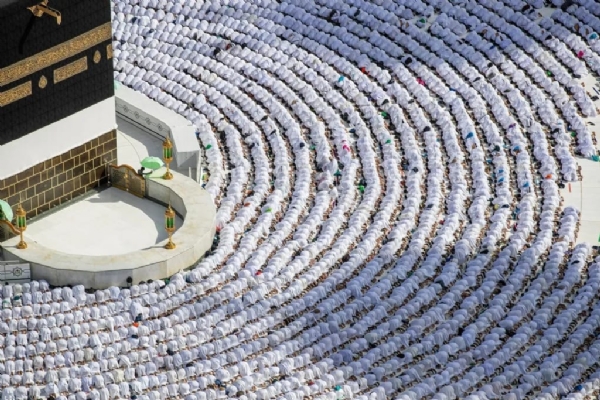
28 May (HS): Current indicators suggest pilgrimage demand remains broadly in
line with previous years, with reports of over 1.5 million pilgrims expected to
travel to Saudi Arabia between 25 and 30 May 2026. With participation levels
remaining consistent with previous years, the Kingdom is continuing
preparations as planned, drawing on its extensive experience coordinating the
annual pilgrimage and mobilizing national infrastructure.
Resilience
of Pilgrim Demand Amid Uncertainty: The primary risks to Hajj this year are
logistical, rather than operational, within Saudi Arabia. In the event of
renewed escalation, airspace closures or restrictions in neighboring countries
could disrupt key transit routes, particularly through major regional hubs such
as the UAE and Qatar.
If
hostilities persist or escalate, uncertainty may influence travel sentiment
across the region. However, the religious significance of Hajj is expected to
outweigh hesitation for many.
GulnazUkassova,
Security Director, Information & Analysis at International SOS, said: “Hajj
is one of the fundamental pillars of Islam, and access is already limited by
quota systems. For those who have secured permits and completed arrangements,
the likelihood is that they will make every effort to undertake the pilgrimage,
irrespective of ongoing tensions.”
Potential
Disruption Scenarios Remain Focused on Travel Logistics: During earlier phases
of the Middle East conflict, airspace restrictions varied across the region
depending on exposure to attacks and infrastructure capacity. While Saudi
Arabia experienced temporary disruptions, it resumed operations quickly and
maintained key entry points for travelers. However, broader regional
developments – particularly affecting transit hubs – could create delays or
rerouting challenges for travelers. At the same time, the scale and conditions
of Hajj require heightened public health preparedness, with authorities
continuing to prioritize medical screening and risk mitigation for pilgrims.
Dr
Ryan Copeland, Regional Medical Director, International SOS, said: “Saudi
authorities have strengthened health screening and medical eligibility
requirements for Hajj, including vaccination protocols and fitness criteria, to
identify risks early and ensure pilgrims are fit to travel. While these
measures apply specifically to pilgrims, organizations with employees
in-country or travelling to the region should also anticipate indirect impacts
from the mass gathering and regional tensions.”
Guidance
for Pilgrims: Stay Informed, Remain Flexible - International SOS advises
pilgrims to adopt a heightened level of situational awareness this year. While
there is currently no indication that pilgrimage sites are being directly
targeted, the broader geopolitical environment requires careful monitoring.
Even
if the ceasefire holds at the time of travel, the situation can change quickly,
so travelers should ensure access to timely, accurate information, understand
travel routes, and prepare for travel disruption or rerouting. Saudi
authorities are expected to provide guidance as needed, and established systems
– including accredited travel agencies and newly introduced unified ID cards –
are designed to support coordination and safety throughout the pilgrimage.
Critical
Moment for Regional Stability: This year’s Hajj will take place against a
significantly more complex and volatile geopolitical backdrop than in recent
years. Conflict has had a major impact on the region's sense of security and
stability, and is continuing to cause disruption to supply routes, logistics,
and the countries' economies more broadly. While operational readiness in Saudi
Arabia remains strong, the evolving security landscape across the broader
region presents a heightened and less predictable risk profile. The conflict is
unlikely to be resolved by the time Hajj starts, and thus, the situation
requires closer attention and more proactive monitoring by organizations and
travelers alike.
Hindusthan Samachar / Abhishek Awasthi