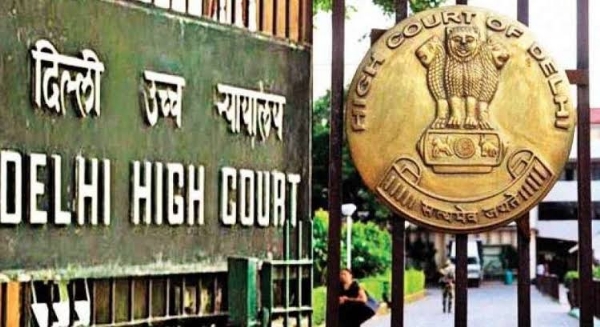
New Delhi, 20 May (H.S.): The Delhi High Court has dismissed a petition seeking to disqualify Aam Aadmi Party (AAP) leaders Arvind Kejriwal, Manish Sisodia, and Durgesh Pathak from contesting elections. A bench headed by Chief Justice D.K. Upadhyaya passed the order rejecting the plea.
The petition was filed by Satish Kumar Agarwal. It sought the disqualification of AAP leaders Arvind Kejriwal, Manish Sisodia, and Durgesh Pathak on the grounds that they allegedly refused to participate in proceedings before a bench of Justice Swarana Kanta Sharma of the High Court in connection with a Central Bureau of Investigation (CBI) petition challenging a trial court order granting bail in the Delhi excise policy case. The plea alleged that by doing so, the three leaders attempted to defame Justice Sharma.
During the hearing, the court questioned whether the petitioner was seeking directions to the Election Commission to cancel the recognition of the Aam Aadmi Party as a political party. The court also asked whether there is any legal provision for cancelling the recognition of a political party. In response, the petitioner’s counsel stated that there is no such provision under the Representation of the People Act, but the Supreme Court has, in certain judgments, indicated three exceptional circumstances under which a political party’s recognition could be withdrawn.
The court observed that the case did not fall under the first two categories. It further noted that the third category applies when a political party is declared unlawful under laws such as the Unlawful Activities (Prevention) Act (UAPA) or similar legislation. The court asked whether the Aam Aadmi Party falls under this category, to which the petitioner’s counsel replied in the negative.
The petitioner’s counsel argued that the plea was based on observations made in Justice Swarana Kanta Sharma’s judgment. The court, however, stated that it must first be established whether, after a court order, the Election Commission can revoke the recognition of a political party. The counsel further argued that if individuals do not have faith in the Constitution of India, they should not be allowed to contest elections.
The petitioner also alleged that Kejriwal, Sisodia, and Pathak had attempted to defame the judiciary. The court observed that if a person attempts to defame the judiciary, there are provisions under contempt of court law. It further asked whether a person found guilty of contempt of court could be rendered ineligible to contest elections. The petitioner’s counsel argued that if someone is found involved in anti-constitutional activities, appropriate action must be taken against them.
---------------
Hindusthan Samachar / Jun Sarkar