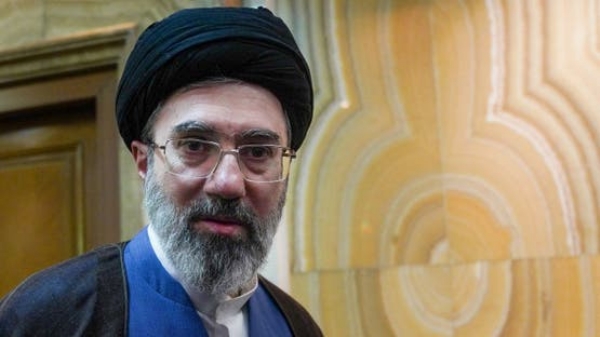
Tehran, 11 May (H.S.): In a rare, tightly‑controlled glimpse behind Iran’s war‑time curtain, state television has confirmed that Supreme Leader Mojtaba Khamenei has held a high‑level meeting with the head of the country’s military central command, Ali Abdollahi, marking his first documented substantive engagement since his appointment in March. The brief, unscheduled broadcast offered no images of Mojtaba, but underscored his continued role at the apex of Iran’s decision‑making amid an open‑ended regional war.
Mojtaba Hosseini Khamenei, 56, was formally named Iran’s third Supreme Leader by the Assembly of Experts on March 9, following the assassination of his father, Ayatollah Ali Khamenei, in US‑Israeli strikes on the first day of the Middle East war.
Unlike his father, who was a constant presence on television and in Friday sermons, Mojtaba has never held elected office and remains a relatively obscure figure in public life, with only sparse written statements and a near‑total absence from live appearances.
Reports in the weeks after his appointment described him as a hardline conservative with deep roots in the Islamic Revolutionary Guard Corps (IRGC) and a history of involvement in internal security operations, including the suppression of protests.
Iranian state media acknowledged only that Mojtaba, who is believed to have been wounded in the same strikes that killed his father, has issued “new directives and guidance for the continuation of operations to confront the enemy” during his meeting with Abdollahi.
Independent reports and Western‑led intelligence assessments, however, have suggested that the new Supreme Leader may be operating from a medically restricted environment, with some sources indicating he has been under treatment in Qom and is largely shielded from public view.
This opacity has fuelled speculation about who is actually steering Iran’s military and strategic course. While Tehran insists Mojtaba remains in charge, foreign commentators note that the absence of verifiable visual or audio records raises questions about the balance of power between the Supreme Leader’s office and the IRGC‑dominated security apparatus.
The content of Mojtaba’s purported directives has not been disclosed in detail, but state‑sanctioned commentary has framed them as part of a broader campaign to “defend the sacred establishment of the Islamic Republic” and to maintain Iran’s nuclear and missile capabilities despite intense external pressure.
Iranian President Masoud Pezeshkian and foreign‑policy officials have publicly affirmed that they have met the Supreme Leader and relayed his resolve to the domestic and international audience, using these encounters to signal institutional unity.
Parallel to his military directives, Mojtaba faces a deeply fractured domestic landscape. While state‑orchestrated rallies in Tehran and other cities have shown visual support for his leadership, surveys and anecdotal reporting describe widespread public anxiety over war‑time privations, economic strain, and the prospect of prolonged conscription.
Hindusthan Samachar / Jun Sarkar