New Delhi, 21 April (H.S.):
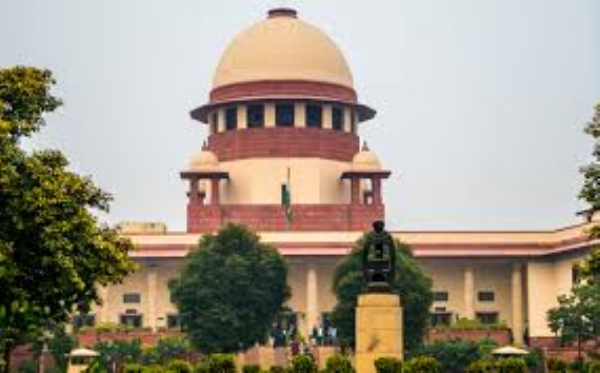
A nine-judge Constitution Bench led by Chief Justice Suryakant sharply questioned restrictions preventing devotees from touching the deity based on birth or lineage during Sabarimala temple entry hearings. Will the Constitution not protect a believer denied this right? the bench asked.
Justice Ahasanuddin Amanullah challenged senior advocate V Giri—representing temple authorities—on devotees barred despite pure faith: When I enter a temple believing the deity my creator, fully devoted without impurity, yet denied touch due to birth—will Constitution not intervene? Giri countered that Article 25(2)(b) governs priestly restrictions tied to scriptural mandates.
Justice BV Nagarathna clarified such practices reflect worship rituals, not untouchability, noting variances like pouring water on shivalingas in some temples versus idol touch prohibitions elsewhere.
Senior counsel Gopal Sankaranarayanan urged courts abandon essential religious practices tests, arguing non-religious judiciary defer to denominations' interpretations. He advocated greater autonomy for religious sects akin to minority institutions, warning state interference violates Hindu worshippers' Article 25(1) rights.
The bench—comprising Justices MM Sundresh, Ahasanuddin Amanullah, Arvind Kumar, AJ Masih, PB Varale, R Mahadevan, and Joymalya Bagchi—began hearings April 7, revisiting the 2018 4:1 verdict declaring women exclusion unconstitutional under Articles 14, 15, and 25.
---------------
Hindusthan Samachar / Jun Sarkar

22 Apr 2026
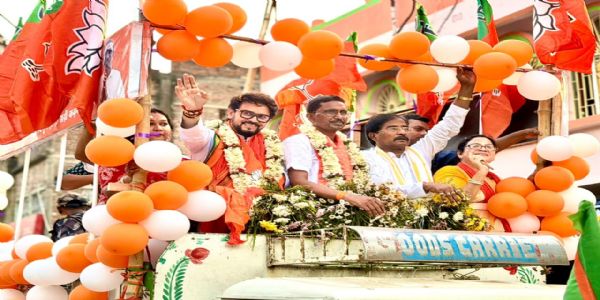
Anurag Thakur Targets Trinamool Congress, Alleges Crime, Corruption and Cut-Money Syndicate in Bengal
22 Apr 2026