Dubai, 18 March (H.S.):
On Tuesday(March 17, 2026),
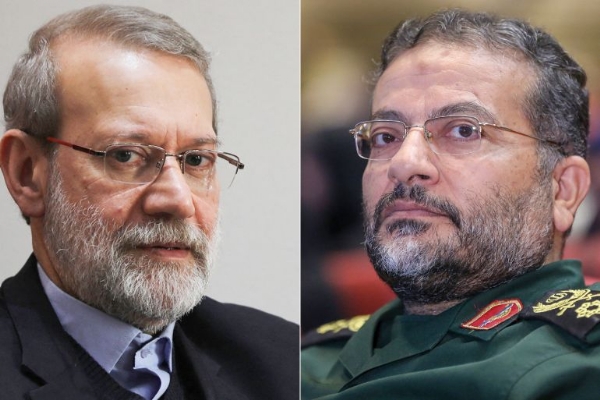
Israeli Defense Minister Israel Katz announced that overnight airstrikes had successfully eliminated two of Iran's most influential security figures, dealing a severe setback to the Islamic Republic's wartime command structure.
Ali Larijani, secretary of Iran’s Supreme National Security Council and a pivotal strategist since Supreme Leader Ayatollah Ali Khamenei’s assassination on the war’s outset, was among the deceased, according to Israeli assertions. Gen. Gholam Reza Soleimani, commander of the Revolutionary Guard’s Basij paramilitary force, was confirmed killed by Iran’s judiciary news agency Mizan, though Tehran has remained ambiguous on Larijani’s fate.
Strategic Blow to Iran's Leadership
These high-profile eliminations exacerbate Iran’s leadership vacuum, already strained by relentless Israeli and U.S. strikes that have targeted command centers, missile sites, and nuclear infrastructure since late February. Both officials played instrumental roles in quelling nationwide protests in January 2026, which challenged the theocracy’s enduring grip; their absence now imperils Tehran’s ability to coordinate responses amid the conflict’s third week.
Israeli Prime Minister Benjamin Netanyahu framed the operation as a deliberate effort to destabilize the regime, declaring it an opportunity for Iranians to overthrow their rulers. This aligns with Israel’s broader campaign, which has flattened key government facilities, including the Supreme National Security Council headquarters and the Assembly of Experts building, underscoring a regime-change objective.
Undeterred, Iran unleashed barrages of missiles and drones targeting Israel and Gulf states on Tuesday, briefly disrupting Dubai’s airspace and igniting fires at regional oil facilities. A man in Abu Dhabi perished from intercepted missile debris—the eighth UAE fatality since hostilities erupted—while defenses in Qatar, Saudi Arabia, and Iraq neutralized incoming threats, including assaults near the U.S. Embassy in Baghdad.
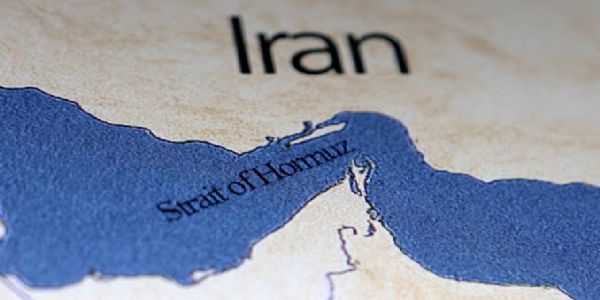
Tehran vows to maintain dominance over the Strait of Hormuz, through which one-fifth of global oil flows, rejecting passage for U.S., Israeli, or allied vessels despite sporadic transits by others. President Donald Trump lambasted NATO allies for spurning his pleas to secure the chokepoint, as oil prices surge and global markets reel.
The killings preceded “Chaharshanbe Souri,” Iran’s traditional Festival of Fire, prompting authorities to dispatch menacing texts discouraging celebrations amid fears of unrest. State media broadcast pro-regime rallies, with armed militias patrolling to preempt dissent, even as over 1,300 Iranians have perished per Red Crescent tallies.
Simultaneously, Israel intensified strikes on Tehran and Hezbollah bastions in Beirut, displacing over a million Lebanese and claiming 12 Israeli lives from Iranian missiles. U.S. casualties stand at least at 13 service members, fueling domestic discord exemplified by the resignation of counterterrorism chief Joe Kent over the war’s rationale.
---------------
Hindusthan Samachar / Jun Sarkar