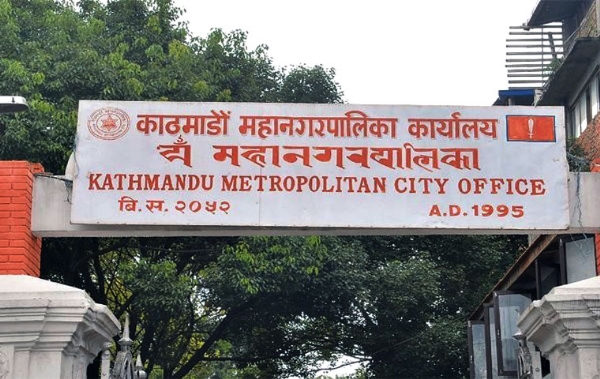
Kathmandu, November 20 (H.S.): Acting Mayor of Kathmandu Metropolitan City Sunita Dangol has directed officials to ensure that public toilets are operated as an essential, basic and mandatory public service.
Taking into account a study report prepared by the Urban Planning Commission on the existing condition of public toilets in the city and the requirements for their proper operation, Acting Mayor Dangol instructed officials to prioritise measures to make these facilities clean, safe, well-managed, inclusive and accessible to all citizens.
The Urban Planning Commission recently conducted a study of 169 public toilets across the metropolitan area. The assessment examined their existing condition, operational systems, physical infrastructure, cleanliness, water availability and accessibility for persons with disabilities. The study found that these facilities required improvements.
Rather than recommending an increase in the number of new public toilets, the report called for greater emphasis on the effective management of existing facilities, improvement in service quality and the provision of user-friendly amenities. It noted that the facilities of operational public toilets could be upgraded through regular maintenance, renovation and reconstruction.
Acting Mayor Dangol also appreciated the efforts made by petrol pump operators, at the metropolitan city's request, to improve the cleanliness of toilets at their premises and make them more user-friendly.
“Every public toilet should be women- and child-friendly and accessible to everyone. Let us fulfil this responsibility with sincerity,” she said.
Presenting the study report, Commission member Damodar Giri said that of the 169 public toilets across the metropolitan area, 113 were operating regularly, while nine were partially operational. Ten were under construction, 14 were closed or not in use, and two were completely unusable. The operational status of another 21 toilets remained unclear.
The study also made recommendations regarding the selection of locations for constructing new public toilets. It emphasised that site selection should not be based solely on the availability of land. Factors such as accessibility for pedestrians and vehicles, availability of water, drainage facilities, user demand and operational feasibility must also be taken into consideration. The report further stressed the need to assess land ownership and construction-related aspects before identifying suitable sites.
Kathmandu Metropolitan City has classified the recommendations emerging from the study into immediate, medium-term and long-term measures and has initiated the improvement process through an action plan.
The Commission began the study on August 19 this year. As part of the exercise, it reviewed existing policies, laws and institutional arrangements. It also verified the consolidated records available at the ward level and conducted on-site inspections of public toilets across the metropolitan area.
---------------
Hindusthan Samachar / Jun Sarkar

18 Aug 2026