Kathmandu, 22 October (H.S.): Several parts of Nepal are likely to experience rainfall from next week, with a low-pressure system over the Bay of Bengal expected to influence weather conditions across the country.
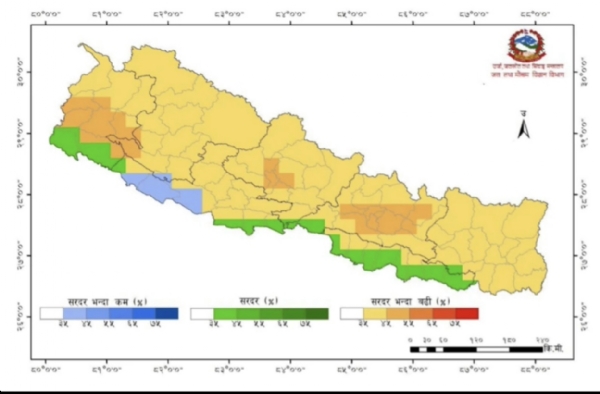
According to meteorologist Dr. Binod Pokharel, various weather forecasting models indicate the possibility of rainfall lasting for more than a week, beginning next Tuesday. Sharing a forecast map based on the average projections of four weather models, he cautioned that some areas could receive heavy rainfall.
Pokharel noted that the models differ in their predictions regarding the location and intensity of the rainfall. Consequently, it remains difficult at this stage to determine precisely which areas will be affected and how much precipitation they may receive. He added that the forecast could change over the coming days.
In view of the anticipated rainfall, Pokharel advised farmers preparing for the paddy harvest to plan their activities according to the latest weather forecasts. Farmers intending to harvest their crops from next Tuesday onwards should, wherever possible, complete the harvesting beforehand and bring the paddy safely home. If this is not feasible, they should consider proceeding with the harvest only after the rain subsides.
He also warned that some areas could experience rainfall accompanied by hailstorms, underscoring the need for farmers to take additional precautions to protect their crops.
Meanwhile, adverse weather conditions could increase risks in the Himalayan regions. People planning journeys or trekking expeditions have therefore been urged to exercise particular caution. Travellers should finalise their itineraries only after consulting regular weather forecasts and official advisories.
As the forecast remains subject to change, farmers, travellers and residents of potentially affected areas have been advised to monitor the latest weather updates and take appropriate precautions to minimise the impact of the expected rainfall.
---------------
Hindusthan Samachar / Jun Sarkar

18 Aug 2026