Kathmandu, 16 October (H.S.): Inflation in Nepal rose further in October amid the impact of flooding, with the consumer price index-based inflation rate climbing to 6.34 per cent. The government had set a target of keeping inflation within 5.5 per cent during the current fiscal year, but the rate has remained above that threshold since the beginning of the financial year.
Inflation increased to 6.34 per cent in October from 5.96 per cent in September. In the corresponding month of the previous fiscal year, the rate stood at just 1.87 per cent. Rising petroleum prices amid the conflict between Iran and the United States have also contributed to the increase in inflation in Nepal since February.
According to the data, inflation stood at 4.47 per cent in February of the previous fiscal year, rising to 5.04 per cent in March and remaining at the same level in April. It subsequently increased to 5.22 per cent in May before easing slightly to 5.14 per cent in June.
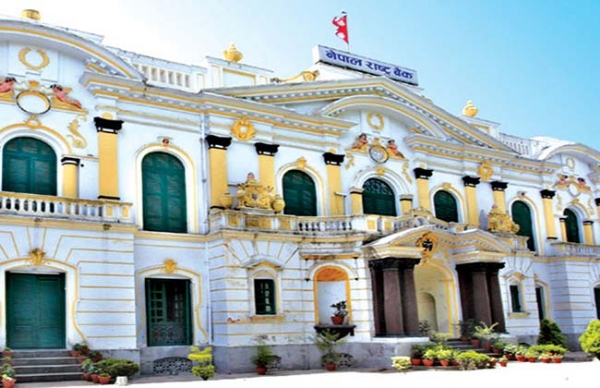
Nepal Rastra Bank spokesperson Guru Prasad Paudel said flooding in the Bhotekoshi area had been a major factor contributing to rising inflation. However, he clarified that October had not witnessed a sudden, sharp surge in prices. Instead, inflation had been rising steadily since the final months of the previous fiscal year, driven by both domestic and international factors.
Paudel said international developments, including various conflicts, rising crude oil prices and disruptions in the Strait of Hormuz, had affected prices. Domestically, inflation had already been increasing because of higher petroleum prices.
According to the central bank spokesperson, the prevailing circumstances offered little prospect of a decline in inflation in October. He said there were no immediate signs of an improvement in the price situation. The period also coincides with major festivals, while flooding in the Budhi Gandaki River during October could affect the prices of various goods and services, adding further pressure on inflation.
Paudel indicated that, given these factors, it would be unreasonable to expect inflation to ease in September.
Consumer rights activist Madhav Timilsina accused the government of failing to take inflation control seriously. He said prices had been rising continuously for several months, but the government had been unable to bring the situation under control. The latest increase just before Navratri had further compounded the difficulties faced by ordinary people.
Timilsina said it was distressing that people already struggling with the consequences of flooding were now facing the additional burden of rising prices. He urged the government to treat the issue seriously and take the necessary measures to contain inflation.
---------------
Hindusthan Samachar / Jun Sarkar

18 Aug 2026