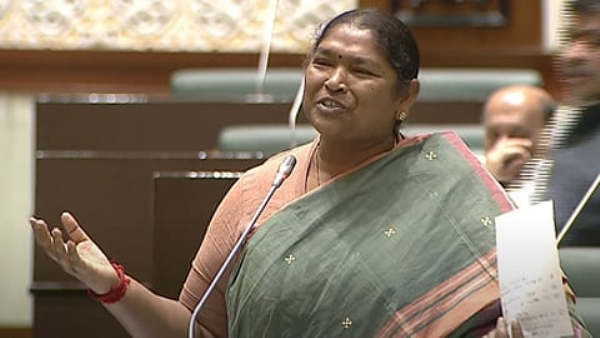
Hyderabad, 03 January (H.S.): The Telangana Legislative Assembly unanimously passed the Telangana Panchayat Raj (Amendment) Bill, 2026, on Saturday, abolishing the longstanding two-child norm that barred individuals with more than two living children from contesting local body elections.
Panchayat Raj and Rural Development Minister Danasari Anasuya Seethakka, popularly known as Seethakka, tabled the bill, which replaces a prior ordinance and paves the way for upcoming panchayat and municipal polls under revised eligibility criteria.
Seethakka explained that the restrictive provision, introduced in 1994 during the undivided Andhra Pradesh era, aimed to curb population explosion exacerbating food insecurity, unemployment, and poverty in the 1980s and 1990s.
Three decades later, a comprehensive government review of the population policy prompted its repeal, recognizing evolving demographic realities.
Addressing Sub-Replacement Fertility Rates
Highlighting rural Telangana's total fertility rate (TFR) of 1.7—below the replacement level of 2.1—Seethakka warned that sustained decline could yield dire long-term consequences, including an aging population, shrinking workforce, and social imbalances.
Citizens' voluntary shift toward smaller families, coupled with inputs from Panchayat Raj representatives, necessitated policy recalibration to sustain generational equilibrium and broaden grassroots democratic participation.
The amendment eliminates disqualifications for posts like sarpanch, ward member, MPTC, and ZPTC, fostering inclusivity without coercive family planning mandates. This aligns with Supreme Court observations deeming such norms outdated in states achieving population stabilization, following Telangana Cabinet's October 2025 initial decision.
The move is expected to boost candidate pools, particularly in rural areas, ahead of polls while prioritizing natural demographic balance over punitive measures.
---------------
Hindusthan Samachar / Jun Sarkar



04 Jan 2026