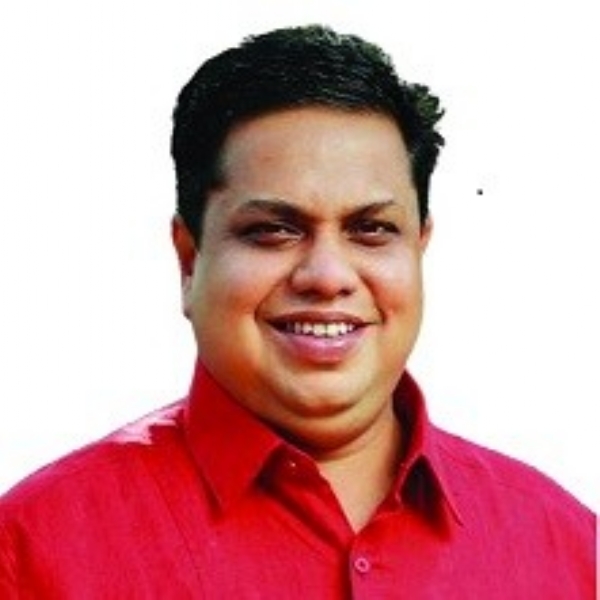
Thiruvananthapuram, 12 Jan (H.S.):The course of action to be taken by the Kerala Legislative Assembly against MLA Rahul Mankootathil, who was recently arrested in connection with a rape case, will largely depend on the legal opinion sought by the Speaker. The Special Investigation Team (SIT) has submitted a formal report on the arrest to the Speaker, setting the stage for possible legislative scrutiny.
If the Speaker refers the matter to the Assembly’s Privileges and Ethics Committee, the panel will examine whether disciplinary action is warranted. The committee is chaired by CPM legislator Murali Perunelli and includes senior leaders such as M V Govindan, CPM state secretary, and T P Ramakrishnan, LDF convener, along with other members representing the CPI, JD(S), Congress, and the Muslim League.
Any recommendation to disqualify or remove Rahul Mankootathil from the Assembly must originate from this committee. The panel has the authority to examine complaints, summon evidence, and assess whether the conduct of the legislator amounts to a breach of legislative privilege or ethical standards. The Speaker may also direct the committee to examine whether disciplinary action is required based on the police report informing the House of the arrest. Proceedings can also be initiated if a formal complaint is submitted by any MLA.
After completing its inquiry, the Privileges and Ethics Committee will submit a detailed report with recommendations to the Assembly. Based on this report, the Chief Minister is required to move a resolution in the House. The resolution may propose a range of actions, including a warning, suspension, or expulsion. Any such measure will come into effect only if it is approved by the Assembly.
If the Assembly accepts a recommendation for expulsion, Rahul Mankootathil would become the first MLA in Kerala’s legislative history to be removed from the House through such a process. However, even expulsion from the Assembly does not automatically bar a legislator from contesting future elections, as electoral eligibility is governed by separate legal provisions.
The developments are being closely watched, as the case raises significant questions about legislative ethics, due process, and the balance between criminal proceedings and the autonomy of the Assembly. The Speaker’s decision on whether to refer the matter to the Privileges and Ethics Committee is expected to be the crucial next step.
---------------
Hindusthan Samachar / Arun Lakshman


12 Jan 2026