Lucknow,
26 Dec (HS): As 2025 draws to a close, conversations around disability
inclusion have become more visible across India and globally. There is growing
recognition that inclusive societies are not just fairer, but stronger and more
resilient. Yet, for millions of persons with disabilities, everyday life continues
to be shaped by barriers in education, employment, healthcare, and access to
basic services.
Reflecting
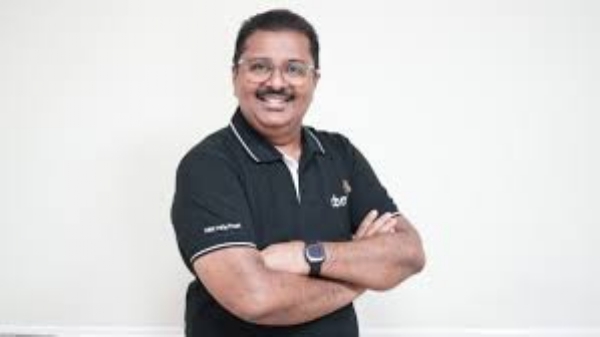
on the progress made this year and the challenges that remain, Sony Thomas,
Executive Director, CBM India Trust, says, “As we close 2025, we reflect on a
pivotal year for disability inclusion in India and globally. This month’s
International Day of Persons with Disabilities reminded the world that building
inclusive societies is an imperative and foundational to social progress
itself. The evidence is clear: when persons with disabilities and members of
other marginalized communities drive solutions, those solutions work better for
everyone.
At
CBM India, we see this principle proven time and again, through our work across
healthcare, education, livelihood, humanitarian action, sports, and
accessibility. The
data, however, tells a harder story too. While progress is undeniable, persons
with disabilities continue to face a higher risk of unemployment, exclusion
from education, social protection systems that are uneven in coverage, and
navigate care systems that still treat inclusion and autonomy as negotiable. At
CBM India Trust, we have spent 2025 strengthening partnerships with
governments, institutions, corporates, and communities to challenge these
barriers. We continue working towards an India where persons with disabilities
and other marginalized groups enjoy their entitlements and hold the authority
to shape the systems that affect their lives. Because rights delayed are rights
denied.”
The
opportunity is now. We invite you to join us, not as observers, but as partners
in this work. Let 2026 be the year when disability inclusion is treated as what
it is: a matter of equity, justice, and progress.” Across sectors, there is
clear evidence that inclusion works best when persons with disabilities are not
just beneficiaries, but leaders and decision-makers. Programs shaped by lived
experience are more effective, sustainable, and responsive to real needs. CBM
India Trust’s work across healthcare, education, livelihoods, humanitarian
response, sports, and accessibility reflects this approach.
Persons
with disabilities remain more likely to be unemployed, excluded from formal
education, and underserved by social protection systems. Many still encounter
care and support systems that limit independence rather than enable it. These
realities point to the need for stronger coordination, better implementation,
and long-term commitment. In response, CBM India Trust has focused on building
partnerships throughout 2025, with governments, institutions, corporates, and
community groups, to address these barriers at a systemic level. The goal is
not short-term relief, but lasting change that ensures rights, dignity, and
participation. As the world looks ahead to 2026, the call is clear. Disability
inclusion must be treated as a shared responsibility and a core development
priority. It is not a matter of charity, but of justice and equal opportunity.
Hindusthan Samachar / Abhishek Awasthi
26 Dec 2025