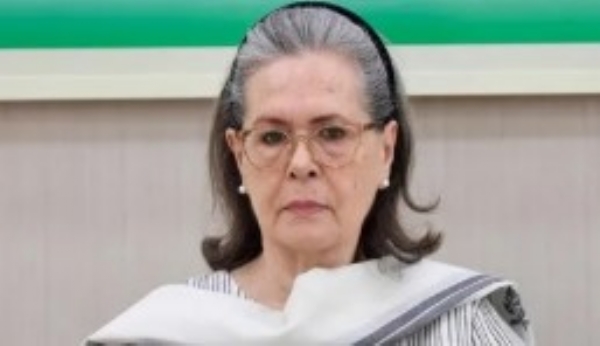
New Delhi, 22 December (H.S.): Congress Parliamentary Party chairperson Sonia Gandhi launched a fierce critique of the central government's decision to replace the Mahatma Gandhi National Rural Employment Guarantee Act (MGNREGA) with the VB-G Ram Ji scheme on Monday, branding it not merely a policy shift but a calculated assault on poor workers' constitutional right to employment under Article 41.
In an op-ed published in a leading newspaper, Gandhi asserted that MGNREGA's core spirit—enacted in 2005 during Prime Minister Dr. Manmohan Singh's tenure—has been decimated without parliamentary debate, state consultations, or respect for federalism, portending devastating socio-economic consequences.
She hailed the original law as the world's largest social security initiative, legally entitling rural poor to work, a lifeline proven during the COVID-19 pandemic.
Centralization Peaks: Legal Guarantees, Panchayat Powers GuttedGandhi accused the new regime of dismantling key pillars like legal guarantees, demand-driven employment, year-round jobs, and Gram Sabhas' central role, imposing budgetary caps on workdays that tether state allocations to central priorities. She decried this as the zenith of centralization, stripping powers granted to Gram Sabhas under the 73rd Constitutional Amendment and substituting them with top-down frameworks from the PM Gati Shakti National Master Plan.
Dismissing government claims of expanding employment from 100 to 125 days as misleading, Gandhi warned that actual opportunities will shrink, precipitating a grave social crisis in rural India by eroding MGNREGA's foundational protections.
---------------
Hindusthan Samachar / Jun Sarkar