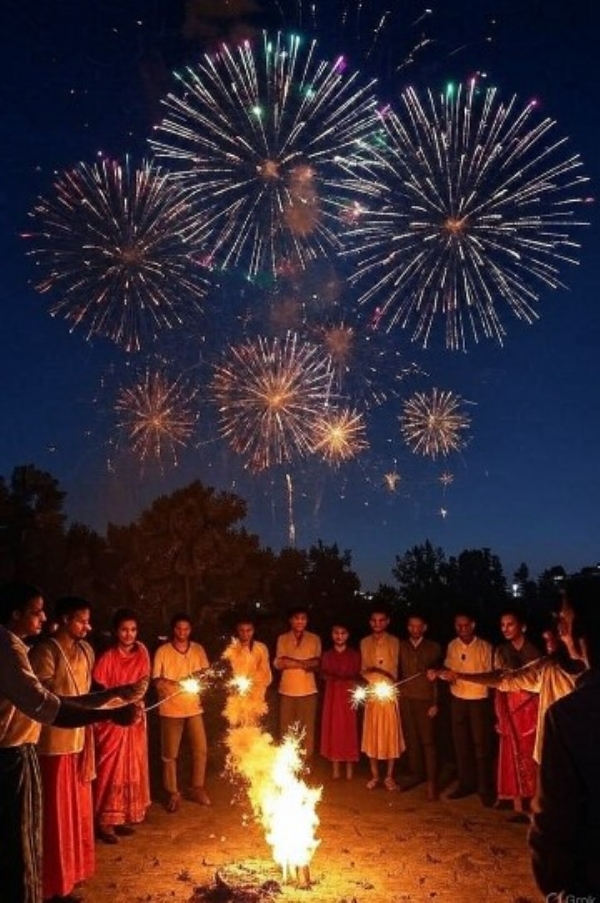
Delhi, 10 December (H.S.): In a moment of immense national pride, the United Nations Educational, Scientific and Cultural Organization (UNESCO) has inscribed Diwali, the Festival of Lights, on its Intangible Cultural Heritage of Humanity list.
The announcement was made on Wednesday during the ongoing 20th session of UNESCO’s Intergovernmental Committee for the Safeguarding of Intangible Cultural Heritage, being hosted at Delhi’s iconic Red Fort complex from December 8 to 13.
Diwali joins the company of global cultural symbols and rituals from countries such as Ghana, Georgia, Congo, Ethiopia, and Egypt. This marks the first time India has hosted the session dedicated to preserving intangible cultural heritage worldwide.The moment UNESCO announced Diwali’s inclusion, the Red Fort echoed with chants of “Jai Shri Ram” and “Bharat Mata Ki Jai” as delegates and attendees celebrated the recognition.
Union Culture and Tourism Minister Gajendra Singh Shekhawat, along with members of the Indian delegation, wore traditional turbans to mark the historic occasion.Following the announcement, the Government of India declared that a special Diwali celebration will be organised later in the evening to showcase the nation’s spiritual and cultural identity to the world.
UNESCO’s Intangible Heritage list includes cultural expressions and traditions that may not be tangible but can be experienced and felt — with the aim of preserving them for future generations.With this inscription, India now has 16 elements on UNESCO’s Intangible Cultural Heritage list.
The previously listed traditions include Vedic chanting (2008), Kutiyattam (2008), Ramleela (2008), Ramman (2009), Mudiyettu (2010), Kalbelia folk songs and dance (2010), Chhau dance (2010), Buddhist chanting in Ladakh (2012), Sankirtana of Manipur (2013), the brass and copper craft of Punjab’s Jandiala Guru (2014), Yoga (2016), Nowruz (2016), Kumbh Mela (2017), Durga Puja of Kolkata (2021), and Garba of Gujarat (2023).
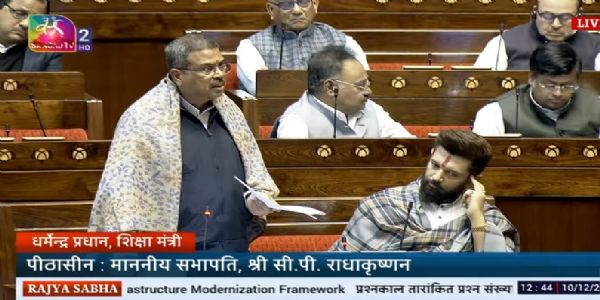
National Leaders ReactVice President C. P. Radhakrishnan hailed the announcement as “a proud moment for every Indian,” describing Diwali as not just a festival but “a symbol of India’s civilizational values, reflecting light, harmony, and hope.”
Prime Minister Narendra Modi, in a social media post, said that Diwali embodies “the Indian way of life and the spiritual soul of our culture.” He added that its inclusion in the UNESCO list would expand the festival’s global influence, reaffirming that “Lord Rama’s ideals will continue to inspire humanity forever.”
Home Minister Amit Shah called the development “a historic moment that affirms the global acceptance of India’s timeless cultural traditions.” He said the festival’s message of the triumph of good over evil continues to guide society toward righteousness.
Culture and Tourism Minister Gajendra Singh Shekhawat described the recognition as “a tribute to India’s living heritage,” saying Diwali represents a luminous celebration of art, harmony, and tradition that now resonates far beyond India’s borders.
Union Road Transport Minister Nitin Gadkari said, “Diwali is not merely a festival but an experience of light conquering darkness, and a celebration of community and joy.”Commerce Minister Piyush Goyal remarked that UNESCO’s recognition strengthens “universal human values of courage, hope, and humanity,” crediting Prime Minister Modi’s leadership for elevating India’s cultural identity on the global stage over the past decade.
Union Minister of Communications Jyotiraditya Scindia said India’s cultural legacy “has now become a global celebration in itself,” and lauded the Prime Minister for presenting India’s spiritual essence to the world.
External Affairs Ministry spokesperson Randhir Jaiswal called the recognition “a deeply encouraging moment that reflects the growing global embrace of Indian culture.” Congress MP Kumari Selja also welcomed the inclusion, calling it “a testament to the power and reach of Indian civilization” and a source of pride for millions who celebrate Diwali worldwide.
---------------
Hindusthan Samachar / Jun Sarkar
10 Dec 2025