Jammu, 05 September (H.S.):
Nestled
amid the verdant hills of Dudu in Jammu and Kashmir Udhampur district, the
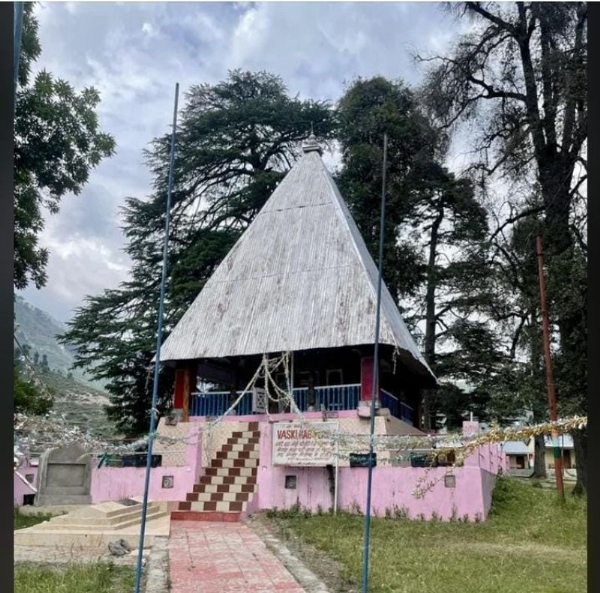
Vasuki Nag Temple stands as one of the region's most revered shrines dedicated
to Nagraj Vasuki, the divine serpent king of Hindu mythology. Surrounded by
dense deodar forests, sparkling mountain streams, and breathtaking Himalayan
landscapes, the temple is not only a centre of faith but also an important
symbol of the ancient tradition of Nag worship that has flourished across the
western Himalayas for centuries.
Situated
approximately 105 kilometres from Udhampur town, every year, thousands of
devotees visit the temple to seek the blessings of Vasuki Nag before embarking
on the sacred Kailash Kund Yatra, making it one of the most significant
pilgrimage centres in the Jammu region.
Mythological
Significance
In
Hindu mythology, Vasuki is regarded as the king of the Nagas (serpent deities)
and occupies a prominent place in ancient scriptures, including the
Mahabharata, Bhagavata Purana, and Skanda Purana. His most celebrated role is
in the legendary Samudra Manthan (Churning of the Ocean), where he willingly
served as the churning rope wrapped around Mount Mandara while the gods and
demons churned the cosmic ocean to obtain Amrit, the nectar of immortality.
This act of sacrifice earned Vasuki eternal reverence among devotees.
Throughout
the Himalayan belt of Jammu and Kashmir, serpent worship predates many later
religious traditions and became closely integrated with Shaivism. The
mountains, springs, rivers, and forests are traditionally believed to be
protected by Nag deities, who are considered guardians of nature, fertility,
rainfall, and prosperity.
Historical
Background
The
Vasuki Nag Temple at Dudu is believed to be several centuries old and has long
served as the principal place of worship for the people of Dudu, Basantgarh,
Chenani, Ramnagar, and surrounding hill regions. Historical accounts and local
traditions describe it as one of the important abodes of Nagraj Vasuki in
Jammu, complementing the famous Vasuki Nag shrines of Bhaderwah.
Although
precise archaeological dating remains limited, the shrine has been preserved
through continuous community devotion rather than royal patronage alone. For
generations, local families have maintained the temple, ensuring that its
rituals and traditions remain alive despite the region's challenging terrain
and changing times.
Architecture
and Sacred Setting
Unlike
many monumental temple complexes found in the plains, the Vasuki Nag Temple
reflects the simple yet spiritually profound architectural traditions of the
Himalayan region. Built primarily with locally available materials and later
renovated over time, the shrine blends harmoniously with its natural
surroundings.
The
temple complex is surrounded by towering deodar and pine trees, while
crystal-clear mountain streams flow nearby, creating an atmosphere of peace and
tranquillity. The natural beauty of the site enhances the spiritual experience,
allowing pilgrims to connect both with nature and with the divine.
Nearby
lies a picturesque waterfall along the River Tawi, which has become an
additional attraction for pilgrims and visitors exploring the Dudu region.
Gateway
to the Kailash Kund Yatra
The
greatest significance of the temple lies in its role as the traditional
starting point of the annual Kailash Kund Yatra.
Every
year during August and September, thousands of pilgrims assemble at the Vasuki
Nag Temple to begin the three-day pilgrimage to Kailash Kund, a sacred glacial
lake situated at an altitude of nearly 14,000 feet in the Bhaderwah mountains.
Before commencing the arduous trek, devotees offer prayers at the temple,
seeking the blessings of Nagraj Vasuki for a safe and successful pilgrimage.
The
yatra proceeds through alpine meadows, dense forests, and high mountain passes
before reaching the pristine Kailash Kund, where pilgrims perform ritual
bathing and offer prayers to Lord Shiva and Vasuki Nag. This ancient pilgrimage
has become one of the most important religious events in the Jammu region and
attracts devotees from across India.
Living
Traditions
Faith
in Vasuki Nag remains deeply woven into the cultural life of the local
communities. Farmers pray for timely rainfall and prosperous harvests,
shepherds seek protection for their livestock while traversing mountain
pastures, and families visit the shrine to offer thanks during festivals and
important life events.
Traditional
folk music, devotional songs, community feasts, and local fairs accompany
religious celebrations at the temple, preserving the rich cultural heritage of
the Dudu-Basantgarh region.
Tourism
Potential
Beyond
its religious importance, the Vasuki Nag Temple possesses immense tourism
potential. The journey to Dudu passes through scenic mountain roads, lush
forests, rolling meadows, and panoramic viewpoints that showcase the untouched
beauty of the middle Himalayas.
Adventure
enthusiasts often combine a visit to the temple with trekking, camping,
birdwatching, photography, and exploration of nearby waterfalls and alpine
landscapes. The temple also serves as an ideal base for visitors planning the
Kailash Kund trek.
With
improved infrastructure and responsible eco-tourism initiatives, the region has
the potential to emerge as one of Jammu and Kashmir's premier destinations for
pilgrimage, heritage tourism, and nature-based travel.
Conservation
and Heritage
The
Vasuki Nag Temple represents not merely a place of worship but a living
repository of the Himalayan tradition of Nag worship, an ancient belief system
that continues to coexist with mainstream Hindu practices.
Preserving the temple and its surrounding natural environment is essential for
safeguarding the cultural identity of the region.
Efforts
to document its history, promote sustainable tourism, and conserve its
ecological surroundings will ensure that future generations continue to
experience the spiritual and cultural legacy of this remarkable shrine.
Conclusion
Standing
amidst the tranquil forests of Dudu, the Vasuki Nag Temple embodies centuries
of faith, mythology, and Himalayan tradition. As the revered gateway to the
sacred Kailash Kund Yatra and a symbol of the enduring worship of Nagraj
Vasuki, the shrine occupies a unique place in the religious and cultural
landscape of Jammu and Kashmir.
For
pilgrims, it offers divine blessings; for historians, it preserves an ancient
tradition; and for travellers, it reveals one of the hidden spiritual treasures
of the Himalayas. The timeless harmony between nature, faith, and heritage
makes the Vasuki Nag Temple a destination of enduring significance and profound
inspiration.
---------------
Hindusthan Samachar / Krishan Kumar

18 Aug 2026