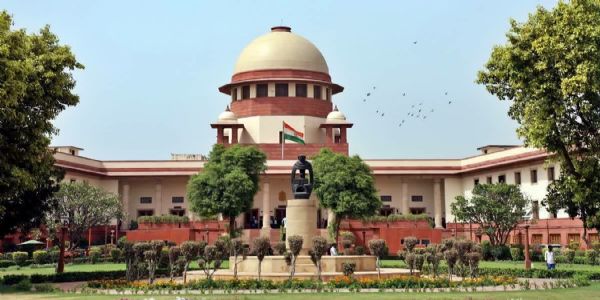
New Delhi, Aug 20 (HS): The Supreme Court on Thursday heard a Public Interest Litigation seeking recognition of the Right to Sports as a fundamental right under Article 21A of the Constitution.
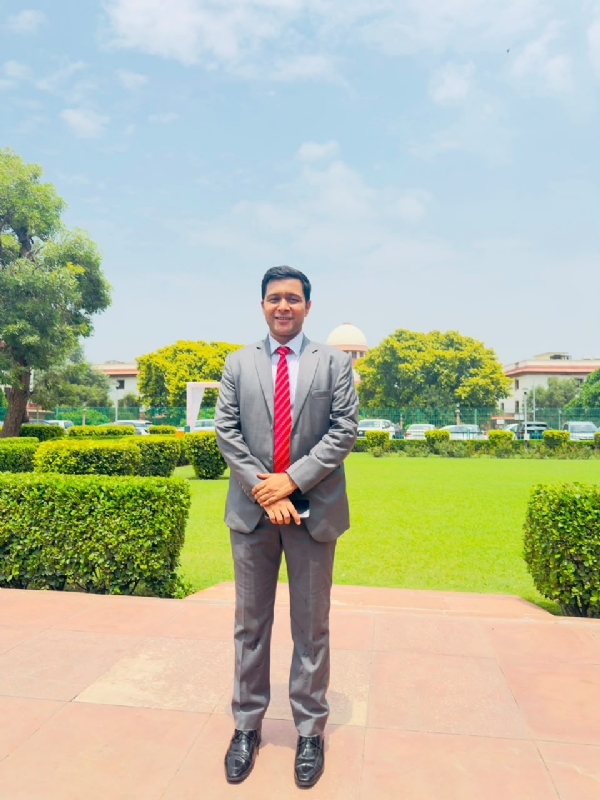
The PIL, filed by Dr Kanishka Pandey, seeks constitutional recognition of access to sport, arguing that participation in sports is integral to the holistic development of children and citizens and should not remain dependent on individual privilege, institutional discretion or competitive excellence.
During the hearing, the Court observed, “This is a laudable request. This is absolutely essential. And now in this digital age children are totally getting away from fields.”
The Supreme Court had appointed an Amicus Curiae to assist it in the matter following the filing of the petition. A report was subsequently submitted before the Court in 2022.
The petitioner has raised objections to certain aspects of the report, particularly its emphasis on “physical literacy” instead of the broader concept of “sport”.
The petitioner submitted that sport, physical education and physical literacy are distinct concepts and should not be treated as interchangeable. It argued that replacing the Right to Sports with physical literacy would alter the original scope and purpose of the PIL.
The petitioner further submitted that sport should not be viewed primarily through the prism of elite performance, competitive achievements, medals or sporting excellence.
According to the petitioner, participation in sports contributes to physical and mental well-being, personality development, discipline, leadership, confidence, resilience, teamwork and character building. It can also help address stress, anxiety, negativity and social isolation while promoting social interaction, inclusion and community cohesion.
The petitioner argued that sport can therefore serve as an instrument of education, public health, youth development, community building and social development.
Dr Kanishka Pandey said the PIL was not aimed merely at producing champions or increasing India's medal tally, but at ensuring wider access to sport and recognising its social, educational and developmental significance.
“At a time when children are increasingly moving away from playgrounds and towards screens, recognising access to sport assumes even greater importance. The Right to Sports is ultimately about ensuring that the opportunity to play does not become a privilege available only to a few,” he said.
The PIL seeks to initiate a wider national discussion on placing sport alongside education as an essential element in the development of children and young citizens.
The matter remains under consideration before the Supreme Court.
---------------
Hindusthan Samachar / Indrani Sarkar
18 Aug 2026