Jammu, 27 June (H.S.):
The
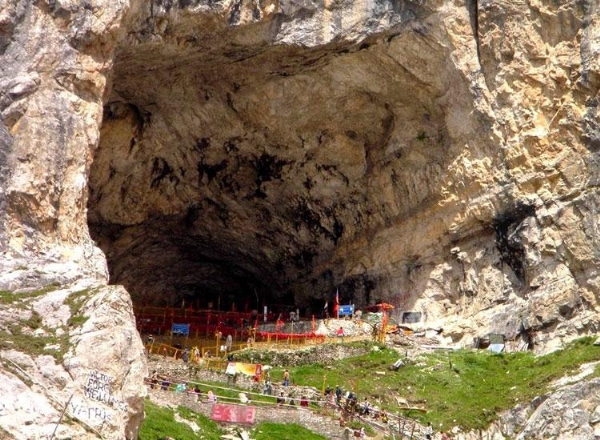
Shri Amarnath Cave Shrine is one of the holiest pilgrimage destinations for
Hindus. Situated at an altitude of about 3,888 metres (12,756 feet) in the
majestic Himalayas of Jammu and Kashmir, the sacred cave attracts hundreds of
thousands of devotees every year. The annual Shri Amarnath Yatra is not merely
a religious journey but a remarkable blend of faith, endurance, adventure, and
natural beauty. Pilgrims from every corner of India and abroad undertake this
challenging pilgrimage to seek the blessings of Lord Shiva in the form of the
naturally formed ice Shivling, popularly known as Baba Barfani.
Mythological
Significance
According
to Hindu mythology, the Amarnath Cave is the place where Lord Shiva revealed
the secret of immortality, known as the Amar Katha, to Goddess Parvati. To
ensure that no living being overheard this divine secret, Shiva left behind all
his companions during the journey. He is believed to have left Nandi at
Pahalgam, the Moon at Chandanwari, the snakes at Sheshnag, Lord Ganesha at
Mahagunas Top, and the five elements at Panchtarni before entering the cave
with Parvati.
Legend
further states that two pigeons accidentally overheard the sacred discourse and
became immortal. Even today, many pilgrims believe that seeing a pair of
pigeons near the cave is a divine blessing.
Discovery
of the Holy Cave
One
popular legend attributes the rediscovery of the cave to a Muslim shepherd
named Buta Malik. It is believed that a saint gifted him a bag of coal, which
turned into gold when he reached home. Upon returning to thank the saint, he
instead discovered the sacred cave and the naturally formed ice Shivling. This
story reflects the rich communal harmony and shared cultural heritage of Jammu
and Kashmir.
The
Natural Ice Shivling
The
primary attraction of the shrine is the naturally occurring ice Shivling,
formed by water droplets freezing inside the cave. Unlike man-made idols, this
Shivling forms naturally every year and is revered as a manifestation of Lord
Shiva.
Alongside
the main Shivling, smaller ice formations are traditionally associated with
Goddess Parvati and Lord Ganesha. The height of the Shivling varies each year
depending on weather conditions and natural ice formation.
Routes
to the Holy Cave
Pilgrims
can reach the cave through two main trekking routes:
1.
Pahalgam Route
The
traditional Pahalgam route covers approximately 46 kilometres and usually takes
three to five days. The journey passes through breathtaking locations including
Chandanwari, Sheshnag, Mahagunas Top, and Panchtarni before reaching the holy
cave.
This
route is preferred by pilgrims seeking the traditional spiritual experience.
2.
Baltal Route
The
Baltal route is much shorter, covering about 14 kilometres. Although steeper
and more physically demanding, many pilgrims complete the trek in a single day.
Pony services, palkis, and helicopter facilities are also available for those
unable to undertake the strenuous climb.
Scenic
Beauty Along the Journey
The
Amarnath Yatra offers some of the most spectacular Himalayan scenery.
Snow-covered peaks, lush green meadows, crystal-clear rivers, alpine lakes, and
colourful wildflowers create an unforgettable landscape.
Pilgrims
pass through famous sites such as Chandanwari, Sheshnag Lake, Mahagunas Top, Panchtarni
Each
destination is associated with mythology while also showcasing the pristine
beauty of the Kashmir Himalayas.
Religious
Importance
For
Hindus, the Amarnath Yatra is among the most sacred pilgrimages dedicated to
Lord Shiva. Devotees believe that worshipping Baba Barfani cleanses sins,
brings spiritual peace, and grants divine blessings.
The
chanting of Har Har Mahadev and Bam Bam Bhole echoes
throughout the mountains, creating an atmosphere of devotion and unity.
Pilgrims from different regions, languages, and cultures come together with a
common purpose, symbolising India's spiritual diversity.
Economic
Importance
The
Amarnath Yatra significantly contributes to the economy of Jammu and Kashmir.
During the pilgrimage season, thousands of local residents earn their
livelihood through tourism-related activities.
Employment
opportunities include Pony operators, Porters, Tent owners, Hotel operators, Transport
providers, Shopkeepers, Handicraft sellers, Local food vendors
The
pilgrimage also boosts business in Jammu, Srinagar, Pahalgam, Sonamarg, Baltal,
and surrounding regions, making it an important source of seasonal income.
Management
and Facilities
The
pilgrimage is managed by the Shri Amarnathji Shrine Board, which oversees
registration, infrastructure, accommodation, sanitation, medical services, and
logistics.
Every
year, extensive arrangements include Registration facilities, Medical camps,
Oxygen
support, Langars (community kitchens), Security deployment, Emergency rescue
services, Helicopter services, RFID and identification systems
Environmental
protection initiatives
Government
departments, security forces, volunteers, and local communities work together
to ensure a safe and smooth pilgrimage.
Environmental
Concerns
Due
to the large number of pilgrims visiting every year, environmental conservation
has become increasingly important.
Authorities
encourage pilgrims to Avoid plastic waste, Maintain cleanliness, Respect
wildlife, Follow designated trekking routes, Dispose of waste responsibly,
Protect
fragile Himalayan ecosystems.
Sustainable
tourism practices help preserve the natural beauty of the region for future
generations.
Security
Arrangements
Given
the challenging terrain and the importance of the pilgrimage, elaborate
security arrangements are made each year. Security personnel, disaster response
teams, medical units, and surveillance systems ensure the safety of pilgrims.
Authorities
also issue weather advisories and regulate traffic to minimise risks associated
with high-altitude travel and unpredictable weather conditions.
Cultural
Unity
One
of the remarkable aspects of the Amarnath Yatra is its message of unity. Local
Muslim communities often assist pilgrims by operating ponies, providing
accommodation, running shops, and offering various services throughout the
journey.
This
spirit of cooperation highlights the centuries-old tradition of communal
harmony in Jammu and Kashmir.
Challenges
of the Pilgrimage
Despite
modern facilities, the Amarnath Yatra remains physically demanding. Pilgrims
face challenges such as High altitude, Low oxygen levels, Steep mountain trails,
Sudden weather changes, Cold temperatures, Long trekking distances
Medical
fitness is therefore essential before undertaking the pilgrimage.
Spiritual
Experience
For
many devotees, reaching the sacred cave is an emotional and life-changing
experience. The sight of the naturally formed ice Shivling, after days of
trekking through the Himalayas, fills pilgrims with immense joy, devotion, and
inner peace.
Many
describe the journey as a spiritual transformation that strengthens faith,
humility, perseverance, and gratitude.
Conclusion
The
Shri Amarnath Yatra is much more than an annual pilgrimage—it is a timeless
symbol of devotion, courage, and spiritual awakening. Nestled amidst the
snow-clad Himalayas of Jammu and Kashmir, the sacred cave continues to inspire
millions with its divine atmosphere and breathtaking natural beauty.
Beyond
its religious importance, the Yatra promotes tourism, supports the local
economy, and showcases India's rich cultural and spiritual heritage. Every
chant of Har Har Mahadev echoes through the mountains, reminding
pilgrims of the eternal bond between humanity, nature, and the Divine. For
devotees, completing the Amarnath Yatra is not just a journey across rugged
terrain but a sacred voyage toward faith, self-discovery, and inner peace.
---------------
Hindusthan Samachar / Krishan Kumar