Mumbai, 09 Sept (HS): As the city's festive crowds dwindle, tons of
footwear are left behind. This waste has now been combined with humanism and
creativity to make footwear for students in remote areas. Reconstruction of the
huge post-celebration waste is helping to protect and facilitate the movement
of baby steps.
According to the information received from the
officials of the Mumbai Municipal Corporation, as much as four metric tons of
footwear collected after the processions in Lalbaug, Parel and Chinchpokli
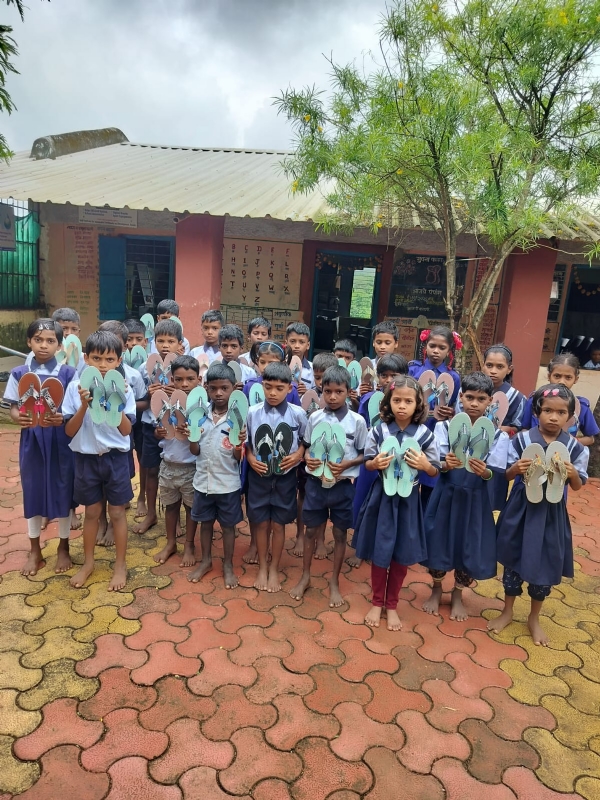
areas have been sent for recycling. It is planned to make new shoes out of
these disposable materials and give them free to needy students in remote and
tribal areas like Gadchiroli, Nandurbar. The initiative has been undertaken by
the F-South Ward of the Mumbai Municipal Corporation in collaboration with the
Greensole Foundation. So instead of going to the dumping ground, the footwear
lost in the festive rush is going to be recycled back into the community.
Three
Questions Answered in One Shoe
The purpose of this initiative is not just to
recycle or upcycle footwear. It has three important goals: health, environment,
and social equity. Children in remote areas who may have to walk barefoot are
given the footwear free of cost. Appropriate footwear is important to protect
your feet. According to the World Health Organization, avoiding barefoot
contact with disturbed soil and using regular footwear are important preventive
measures against diseases such as podoconiosis. On the other hand, unused
footwear, if not managed properly, ends up in solid waste. Therefore, the
initiative seeks to address both the health issue of footwear shortage and the
waste generated by used footwear at the same time.
13
years of innovation
The concept was started by sportspersons Shriyansh
Bhandari and Ramesh Dhami in 2013. The journey of this initiative started with
the idea that useful materials from waste footwear can be separated and made
into footwear for children in need. The Greensole Foundation was officially established
in 2016. According to the organisation, waste footwear and industrial waste is
converted into recycled products to be delivered to school children in need.
The organization claims to have provided footwear to over 8.50 lakh needy
children so far across India. The institute has also stated that the process
has reduced 4374 tonnes of carbon dioxide emissions.
From
garbage to new footwear
Shoes collected after the procession are not given
directly to the children. For this, a disciplined process of cleaning, sorting
and reprocessing is carried out. The sole and upper part of the collected
footwear are separated. The material is then washed, polishedand disinfected.
About 80 to 90 percent of the material in used footwear is recycled to create
new children's shoes. That is, a slipper lost in the crowd on a Mumbai street
is no longer just an item in the garbage. The usable part of it is re-processed
and after some time, the same material returns in the form of new footwear
protecting the feet of a student from a remote village.
Recycling
footwear
Greensole recycling experiment is not limited to
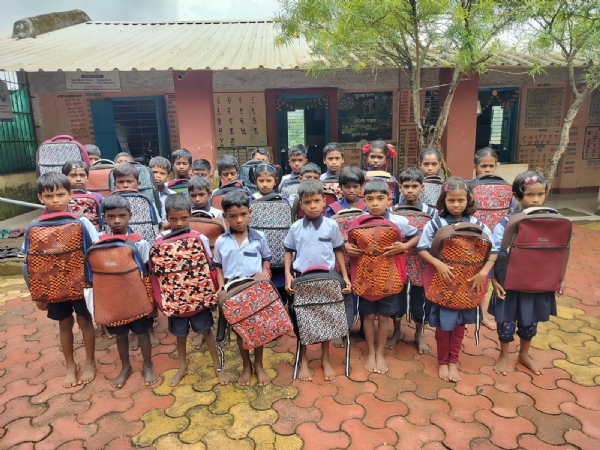
footwear. Waste clothing and flex banners are also used to make mats and bags
for children. This is an attempt to bring some of the waste generated from the
festivals back into the cycle of production. The initiative highlights the
direction of a circular economy, where instead of a culture of 'use and throw',
'use, collect, recycle and put back to the community'. In a metropolitan city
like Mumbai, a slipper lying on the road after a procession may seem like a
trivial item. However, for a student from a remote area walking long distances
to school, a good pair of slippers is an essential daily travel protection. The
journey of a shoe lost in the crowd can therefore end up on a needy student's
way to school instead of ending up at a dumping ground. A slipper lost in the
festive revelry can thus come in handy in another child's life.
'From one step to another'
A slipper lost in the Ganeshotsav crowd is no longer
just a lost item. Her retraining may provide a child in need with protection
from unwanted exposure and safe access to school. This new direction, lost in
Mumbai's festive rush, is proving to be an effective example of environmental
conservation as well as social responsibility.
…………….
---------------
Hindusthan Samachar / Ajay Vasant Mardikar

18 Aug 2026