New Delhi, 30 September (H.S.):
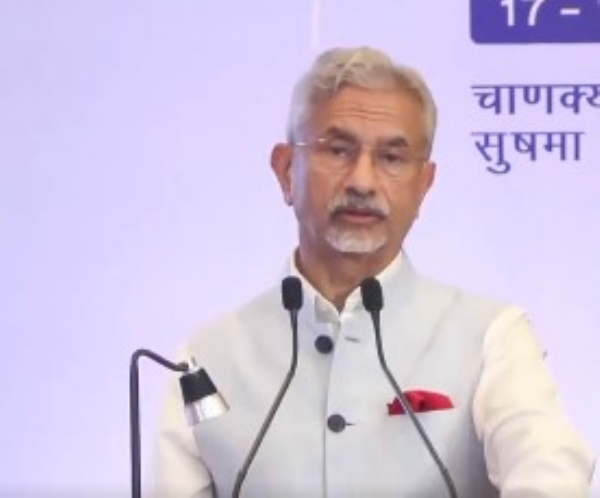
Amid ongoing conflicts around the world, External Affairs Minister Dr. S. Jaishankar has advocated for the interests of countries in the Global South, stressing that nations must recognise the broader global consequences of their decisions. He said policymakers have a responsibility to assess how their decisions could affect other countries, particularly the economies of the Global South. Difficulties created by a particular decision, he said, cannot simply be dismissed by arguing that “causing such difficulties was not the intention.”
Speaking at an event organised by Asia Society in New York on Monday, Jaishankar said the conflicts in Ukraine and between Iran and the Gulf region had had a serious impact on the economies of the Global South. The energy sector has borne the brunt of the impact. Oil markets were already under pressure, and the involvement of geopolitics in energy supplies had made the situation even more complicated. This was adding pressure to prices at a time when market stability was particularly important.
He said there was a growing risk of disruptions to supplies from major grain exporters in the Black Sea region. Conflicts had also affected major fertiliser producers in Russia and the Middle East, raising concerns over potential shortages of fertilisers. In addition, El Niño conditions could further aggravate the global food crisis.
Jaishankar said countries could not make decisions solely on the basis of their own interests and circumstances. They must also consider the circumstances of other nations and the potential consequences of their actions. No country, he said, could be so self-centred as to make decisions within its own sphere and subsequently argue that it had not intended to create difficulties for others.
Jaishankar said energy-supply security and the geopolitics surrounding it were influencing each other, further intensifying the crisis. The repercussions were not confined to the energy sector. Food and fertiliser supplies were also being affected.
He added that conflicts also have an impact on the financial sector. During periods of heightened uncertainty, capital tends to move towards safer markets and out of the Global South, increasing economic pressure on developing economies.
---------------
Hindusthan Samachar / Jun Sarkar
18 Aug 2026